ON the 13th of December I received a phone call from a distressed horse owner about their pony who had been lame for almost a week.
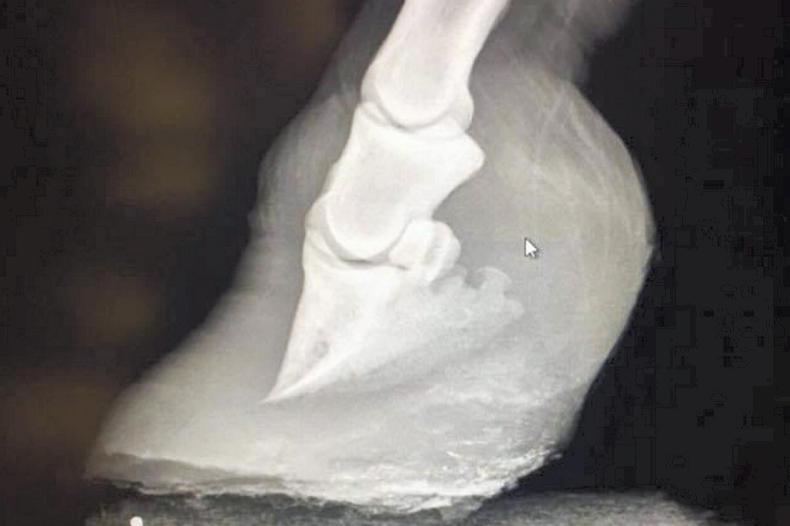
The local vet, Kieran Cronin of All Creatures Veterinary Group, had attended the pony earlier that day and had carried out X-rays of the pony’s front feet to confirm that there was a rotation of the distal phalanx (see X-ray below), before referring the horse owner to me for treatment.
Rotation of the distal phalanx indicates chronic laminitis.
The images below show the pony's feet before being treated by Master Farrier, Breen Concannon
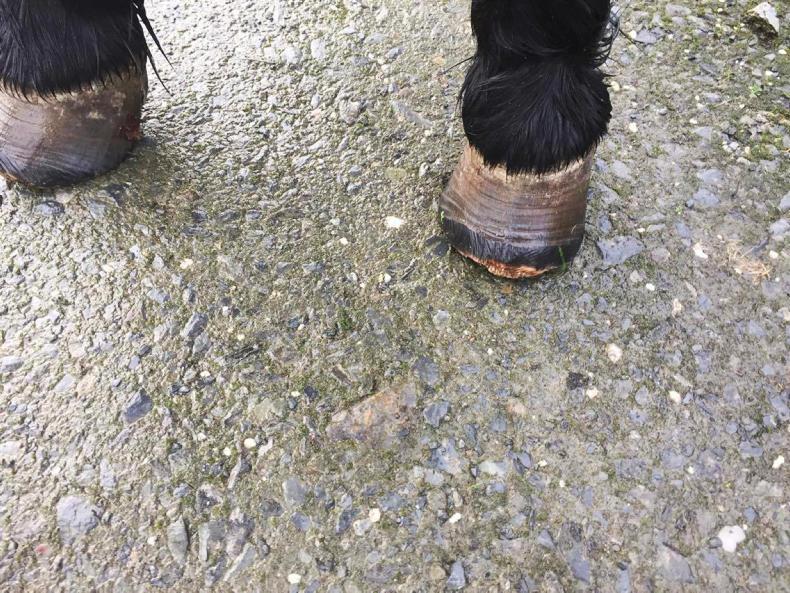
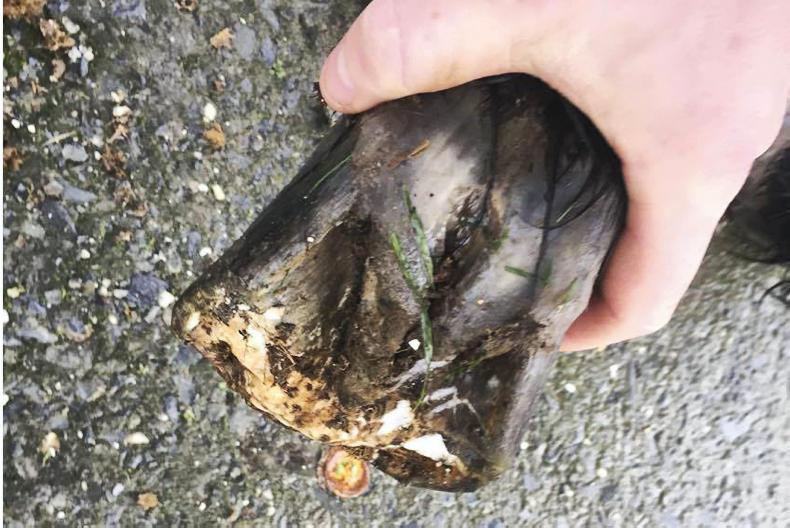
When I arrived to assess the pony I noticed that there were fresh rasp marks on the pony’s feet. The owner told me that a ‘farrier’ had been out to do the pony’s feet a week previous. I was shocked when I lifted the feet to see what had been done.
The previous ‘farrier’ had just brought the front feet forward and rasped off the toe.
This left the pony with excess heel and sole. As a result, this forced the pony forward onto its toe, putting pressure on the deep digital flexor tendon – the pony was severely lame after the trimming, but prior to that, according to the owner, the pony had not shown any signs of lameness.
In the end we found out that the ‘farrier’ who had attended the pony was unqualified.
The images below show the pony's feet after being tended to by Breen Concannon and shows the pony's follow-up X-ray
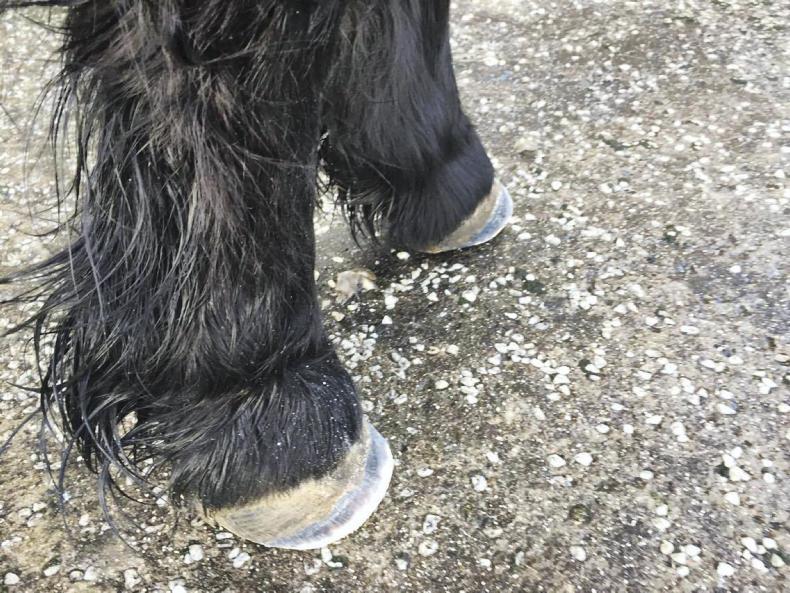
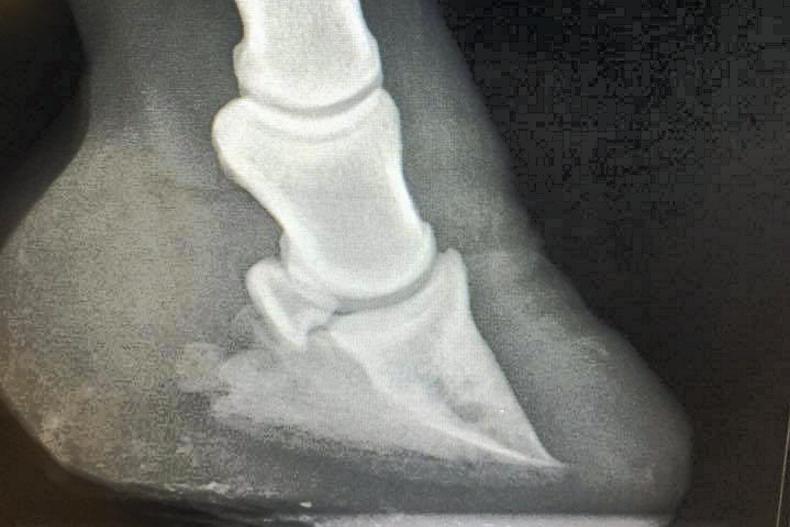
After thoroughly assessing the pony, I decided not to use remedial shoes as the pony is not in work and lives out. I removed the excess heel and rolled the toes to ease the break over. I trimmed at least 3.5 inches of heel from each front foot. This helped to align the angle of the foot again, relieving pressure on the distal phalanx and tendons.
The pony’s feet were very tender and I could only work on each foot for a very short period of time. I moved around the pony from foot to foot before I was happy with my trim.
I arranged for the vet to be there after trimming to carry out another X-ray so that we could confirm that the angles had brgun to change. Thankfully there was a great improvement.
To allow the pony to recover it will be box rested with a deep bed of shavings or straw for at least four weeks. The pony will have access to fresh drinking water at all times but with a strict diet of hay, three times daily. I will revisit the pony again in four weeks time.
ADVICE
This pony, who measured just 11hh, was extremely overweight. He was bought for the owner’s children but is no longer being ridden and was grass-kept. The owner had limited knowledge of horse care and management.