THERE was an old saying that when England sneezes, Ireland catches a cold.
Our dependence on our neighbours has lessened greatly in recent decades and we can indeed look across the water with little envy and a lot more pride in our cultures and people. That moves across the sporting world too.
But horse racing is a world-wide operation and what happens in Britain has a major effect on Ireland in terms of the racing economy.nRacing in Britain is coming under increasing strain and there are two strings to the attacks.
Its funding mechanism is insecure, and the public perception of racing as a great and fulfilling sport is under threat from the animal rights activists and that negativity heightened by the need for funding via gambling which is now regarded by an increasing percentage of the public as a very harmful activity. British politics, where racing had so many supporters through decades, is also fractured.
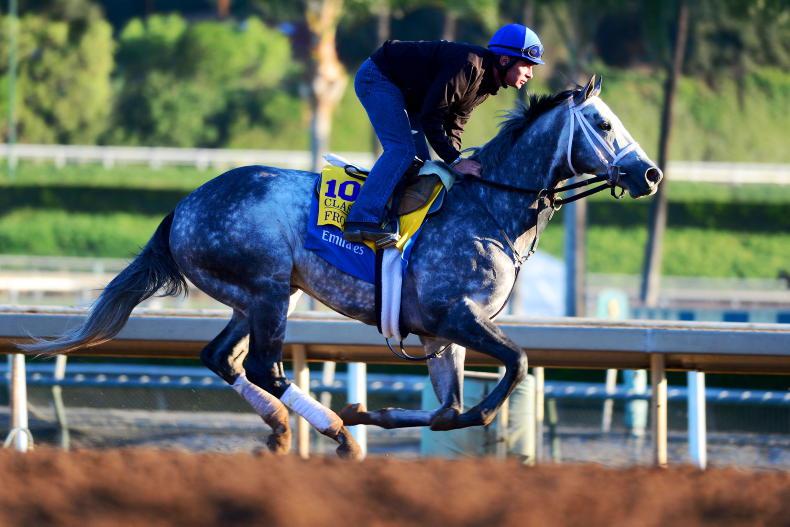
Frosted had a successful racing career but had to be put down during his stallion career due to illness
We lost some high-profile racehorses in different circumstances in recent weeks. Gold Dancer was injured on the racetrack and put down. Top two-year-old Gewan was fatally injured on the gallops in a workout. The top US stallion Frosted had to be put down prematurely at the age of 14 because he was suffering from laminitis.
The 2022 Grand National winner Noble Yeats was living a nice retirement from his track endeavours when he died from colic. My Mate Alfie was also injured and put down after a Newmarket sprint.
All were premature deaths and most could not be avoided. Gold Dancer died in doing something he may not have done naturally, jump a fence at speed, but no one can argue he wasn’t a well-cared for horse.
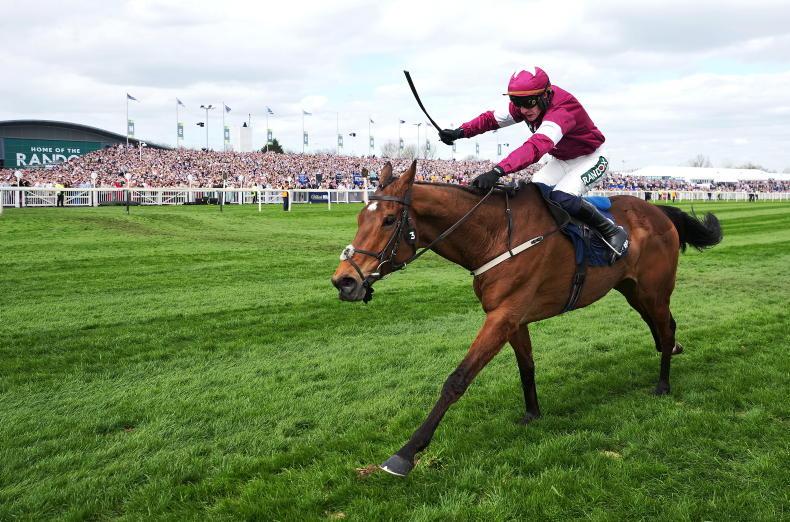
Gold Dancer won at Aintree but had been seriously injured at the last fence
The banning of greyhound racing in Wales and Scotland, which only have one racetrack between them, came about as much for reasons of a political nature than welfare, but was promoted as a victory by animal rights campaigners with the suggestion that horseracing may be next.
A number of politicians have made public comments on this topic in recent weeks.
Liz Saville Roberts, Plaid Cymru's leader in Westminster, suggested Britain should have banned jump racing. On X platform, the MP said that the sport of National Hunt racing 'doesn't feature in the Welsh rural economy' - despite the country having three jumps racecourses and its own version of the Grand National. And indeed, a very nice movie in Dream Horse was made about Welsh National winner Dream Alliance.
Outlawed
Green Party leader Zack Polanski also called for the sport to be outlawed. The Green MP Hannah Spencer said: “We all saw those awful pictures of a horse that had been raced to death to make money for gambling companies. That conversation is coming.... People are telling me they don’t think horse racing is acceptable either.”
Gold Dancer’s case has been widely shared in the mainstream press and on social media.
One animal welfare campaigner posted on social media: “If you are gambling on a racehorse today, you are gambling on their life.”
The Luck on Sunday programme addressed both issues last weekend with its guests, the BHA’s Brant Dunshea and the founder of Betfair, Andrew Black, now a successful owner/breeder and well placed to comment on both angles, along with racing journalist Jonathan Harding, Dunshea was quizzed by the host on the events after Gold Dancer was fatally injured at Aintree. Why did it take 90 minutes for some official information on the incident?
But is the clamour for all the ‘live’ details only making things worse? Giving ammunition to those looking for deaths? Creating headlines that we have to defend?
Inflicting of pain
Andrew Black was of the opinion that on the questions of welfare and using horses to race, it was the inflicting of pain to a horse that was not acceptable. “Horses die all the time in the wild, they are fragile creatures, but you cannot accept long term pain.”
Harding argued that to combat those opposed to racing, we need to “win the middle ground, why are we wasting time connecting with people who are never going to be connected to racing, are unappeasable. If you are not going to win the argument, what’s the point engaging? We know more about our subject than they do. If you try too much, they’ll be back saying we want this as well.”
So, are we doing too much to placate people who have no interest in racing?
And in the process, actually giving them ammunition to beat the sport? We saw that the Animal Aid protesters who disrupted the 2023 Grand National had disappeared by the end of the summer, with little interest when they couldn’t find anything to protest about or gain public attention at the big flat meetings.
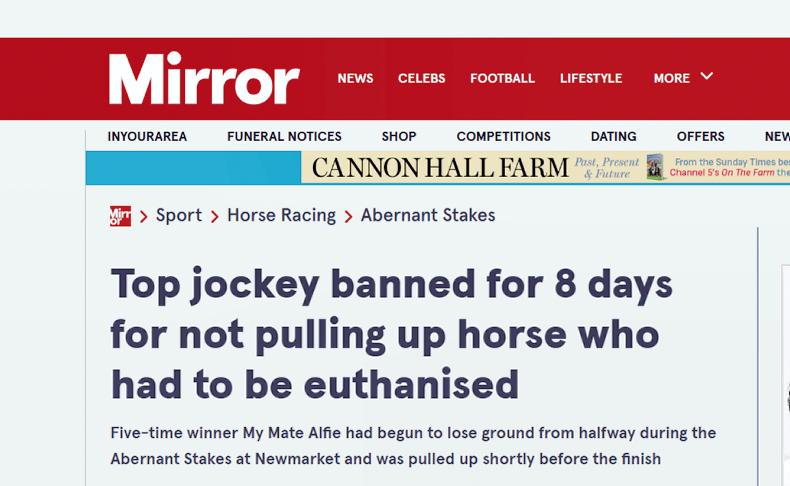
Away from Gold Dancer’s death, we had Toby McCain Mitchell banned for 10 days for not pulling up a tired horse who fell in the National and Danny Tudhope, who despite easing his mount, got an eight-day ban for not dismounting from My Mate Alfie, who was found to be injured on the flat in a Newmarket sprint and subsequently had to be put down.
Neither incident was visible to TV viewers. Could each rider not have been told by the stewards their rides did not meet welfare standards, without the explicit public bans and then negative headlines?
Surely the jockeys would still take heed and be more careful? You don’t show your dirty laundry in public. What is to be gained?
The bigger welfare issues for thoroughbreds is what happens after racing, not what occurs on the track where they must be well cared for and looked after to perform at their best. We must do the work behind the scenes, record injuries, improve traceability databases.
A colleague with interest in welfare across all the equine sports, where let’s face it, there is no betting but plenty of unsavoury practices, put it well: “The simple fact is, yes, horses all die, but racing has the most that die in front of audiences during their sport. That's its problem. Ongoing physical cruelty month after month, year after year - in terms of inflicting pain - far outweighs a fall and euthanasia on a track. Racing just has a much bigger lens on it and much more dramatic deaths, and therein lies the problem for it.”
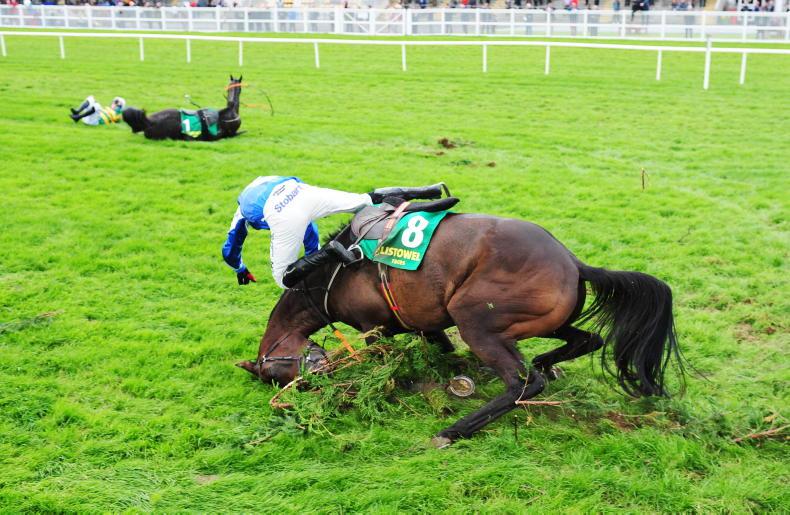
But I wonder are we doing more harm than good in trying to communicate to those who just want the bad headlines? Racing needs political goodwill everywhere. The gambling connection will always create a major obstacle.
It’s also a fact that fewer females are interested in betting, and can perhaps then be more easily persuaded that racing is cruel for horses. The female representation in governments is much stronger than in racing.
It’s a delicate situation, often in times of distress as incidents occur. But sometimes you wonder if there is anything to be gained by drawing attention to it when we know all that can be done to minimise the distress for the injured horses is being done by the veterinary teams.