NOW that Oisin Murphy has pleaded guilty to a charge of drink driving at Reading Magistrates Court, we no longer have to tiptoe around the subject for fear of influencing a subsequent legal case. Discussion of such cases is always fraught with danger, so there is at least one positive to come from this sorry affair in that it won’t be dragged out needlessly.
There are two sides regarding the reaction to a story which has been developing for some time, with the racing rumour mill quick to link Murphy to a report of a driver being arrested after a crash and refusing to give a roadside alcohol test. For better or worse, lurid details of the incident were all over social media but never acknowledged publicly.
There are those who, as Jayne McGivern did on Nick Luck’s eponymous RacingTV Sunday show, play up what an asset Murphy is and how he has been “fighting demons”, asking for greater understanding of his situation on a personal level, while the more critical voices tend to come on social media, who point out that there is a limit to the patience the public can have for those who are seen as recidivists, as Murphy can be viewed.
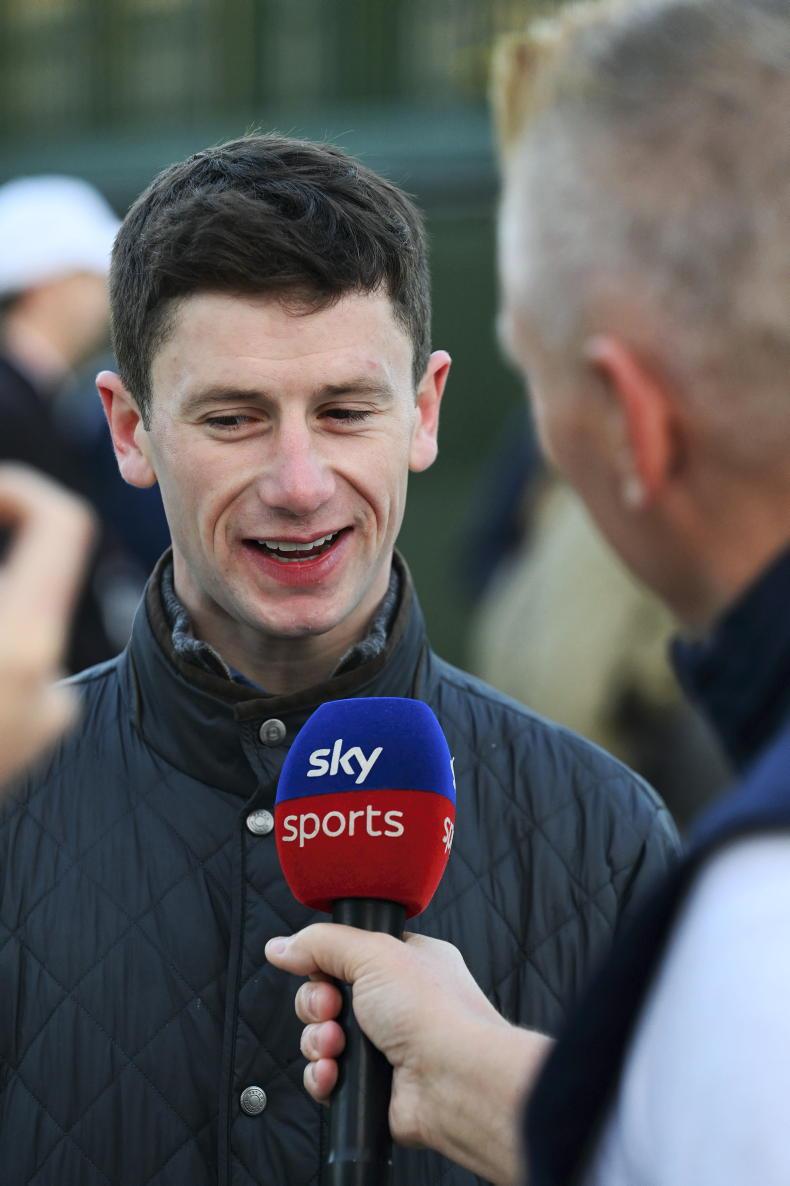
I applaud the notion that we should hate the sin but love the sinner, and there is always an element of “there but for the grace of God go I” when personal problems have public consequences, but there is little doubt that the British racing media on the whole have been far too supine, not just with Oisin Murphy, but with those who have trod in his shoes previously, from Frankie Dettori to Charlie Deutsch to Graham Gibbons and others in between.
Sinners on pedestals
“Love the sinner, hate the sin” has too often become “love the sinner, ignore the sin” when the sinner has been placed on a pedestal and is accepted as one of us. Drink driving is a hugely emotive issue, and when the guilty party is not “one of us”, condemnation tends to be absolute. The consequences of driving at speed over the limit have been hammered home to us all over the years and anyone who gets behind the wheel worse for wear is not only risking their own life, but those of their passengers, other drivers and pedestrians.
When we hear of a stranger being found guilty of the offence, the visceral reaction tends to be one of horror and disgust, but the only condemnation from prominent figures in racing and the racing press has come from Murphy’s own admission that there is no excuse for what he did, and there lies the seed of his possible redemption.
Unfortunately, while the culprit has – as he tends to do when things go awry – held up his hands and offered no excuse, far too many who support him are actually more than happy to accept any excuse they can think of, citing Murphy’s age (he’s been at the top of his profession for a decade and the recklessness of youth is wearing very thin as an excuse), personal pressure, and the old chestnut that he’s doing the only job in the world where he’s constantly followed by an ambulance.
The last rankles particularly; jockeys do a dangerous job and those who routinely wish them ill for perceived misjudgements are morons, but they do not risk their lives for the entertainment of the masses any more than Lewis Hamilton does.
It’s a lifestyle which clearly has its risks and its temptations, but leading riders are rightly envied for being able to do what they do for a living.
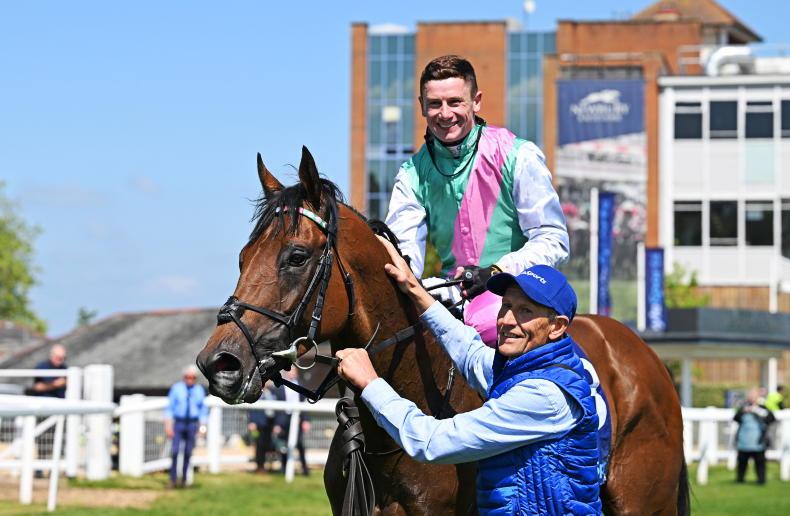
Oisin Murphy needs his mental health as much as any of us, and he should get strong support from those close to him, who can help him cope with his personal problems without judgment, but he also needs to accept the unqualified criticism that comes as a result of his actions. In fairness, he’s always played a fairly straight bat when discussing his issues, but that has been with an understanding that he’s always going to get a sympathetic ear from the media.
Past is the past
That should not be a given and his interviewers need to get beyond the “how did that make you feel” school of journalism. Too often in the past, any discussion with a sportsman who has a past tends to assume that all indiscretions are in the past, and at the time of Murphy’s collision with a tree in Hermitage, it was blithely assumed that he was happily teetotal, as that was the line that had been trotted out since he fell foul of the BHA’s alcohol testing regime at Newmarket in 2021. Murphy was contrite then, and he is contrite now, but accepting that contrition as a guarantee of future compliance is naïve.
We’re often told that Oisin Murphy has a great team of people around him as if this, too, is a guarantee that he won’t fall off the wagon, but every time he does, then his team also have questions to answer about how he is being managed and supported. It’s no good to criticise for the sake of criticism and few of us want draconian punishments to be handed out for the sake of showing strength, but responsibility has to be taken at several levels.
Most of that responsibility lies with the man himself, of course, but those who count themselves as his friends need to be willing to show tough love. This isn’t simply an issue for the reputation management experts, of whom there are a growing number, but for those who care about real outcomes, however painful they may be.
The scenario of a superstar with feet of clay is nothing new, of course, and I grew up at a time when George Best was doing Oisin Murphy things on a larger and tawdrier scale. George was a sporting legend but a man whose friends were happy to allow him to live to excess, at the expense of his talent and his health.
I met George once, flitting between betting shop and pub, but later met others who knew him much better. George, one of them told me, was too easy to love, and therefore impossible to save. Best deserved less craven friends, and so does Murphy.