I don’t follow golf but I know that two of the biggest sports stories in the past decade have involved the US Masters. When Tiger Woods won it in 2019 he was coming back from the wilderness, a series of injuries and a personal scandal which has destroyed his good name.
Then last year when Rory McIlroy won at Augusta even his fiercest critics had to credit him for the mental strength he had shown under enormous pressure, following a run of near-misses in big events.
It happens in racing too. Kieren Fallon and Frankie Dettori both came back from the brink to reach great heights. We’re still living through the Oisin Murphy years – whatever you think of him, it’s incredible how he has performed at such a high level on the track while his world was crumbling all around him.
On a totally different level, The Irish Field recently published an interview with jump jockey Gearoid Brouder in which the Kerryman went public on how he had self-destructed through drink and drugs. But he reached out for help and is now on the brink of making a comeback. It was the most read story on our website for a full week. What does that tell you?
I think we all love a redemption story. When we see a successful person hit rock bottom – even if they deserve it at the time – we are fascinated to see if they can recover. Have they the mental strength to not only face the world again but to try and claw their way back to the top?
And if they can do it, then maybe it shows us that we can overcome our own little troubles and we take strength from that. I reckon this is why so many people (especially men) list The Shawshank Redemption as their favourite movie of all time.
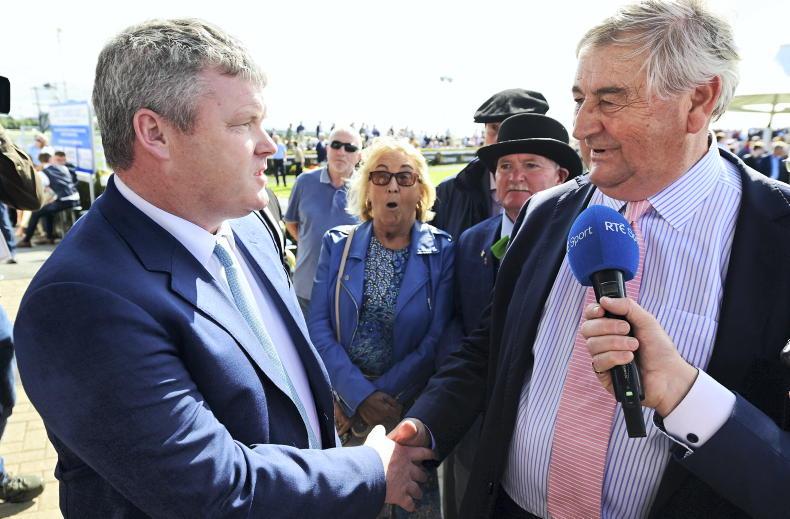
Anyway, back to racing. Is it not impressive how Gordon Elliott has made it back to the top of the trainers’ table just five years after he looked down and out?
It was February 27th 2021 when that photo went viral on social media. A day later the IHRB launched an investigation and within the week Elliott was banned for 12 months (six suspended). Several major owners took their horses away. It got worse before it got better. A Panorama report on BBC in July of that year showed how some horses from Irish racing yards, including Elliott’s, had ended up in a British abattoir. More owners walked away from him then.
I remember thinking at the time of the initial controversy that, if it had been me, I couldn’t cope with such embarrassment and shame. To see your name dragged through the mud like that, I’d never go outside the door or look at my phone ever again.
You find out who your friends are at times like that. Michael and Eddie O’Leary stayed with Elliott (despite plans to wind down Gigginstown's racing team), and so did Noel and Valerie Moran, J.P. McManus, and so too did Elliott’s staff, who knew their boss was guilty of nothing more than a momentary lapse of judgement.
Before all that happened, Elliott was pushing Willie Mullins close, both at home and at Cheltenham. In 2018 Elliott had eight Cheltenham winners, seven in 2020. But that flood turned into a trickle in recent seasons as Mullins brilliantly cornered the market in top quality recruits and perfected their preparation for the big days.
Now Elliott is back on his tail. As of this morning, Elliott has had 159 winners in Ireland this season. Mullins has had 143, from far fewer runners, it should be noted. But the title is decided on prize money and Elliott’s running total of €4.1 million puts him €500,000 in front.
Almost certainly Mullins will again be declared the winner of that contest when Punchestown closes the season on May 2nd. But Elliott has already won something much more important. He was won back his good name, his reputation.
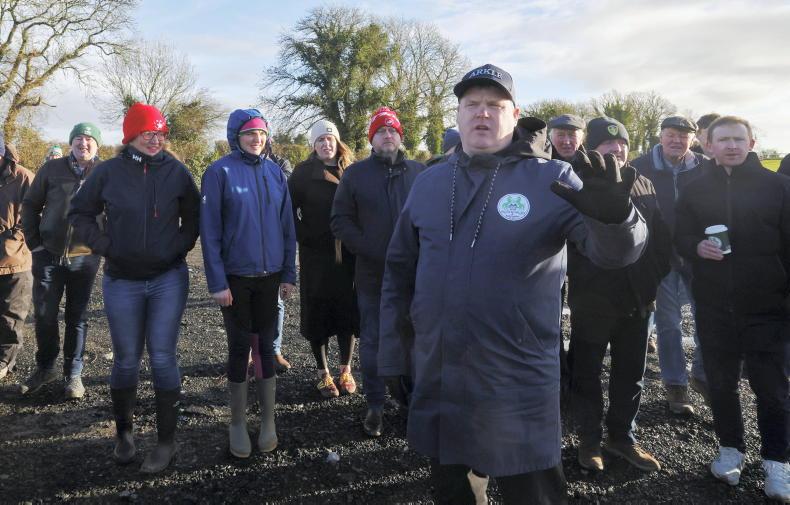
I was fortunate enough to visit Cullentra House Stables for the first time last week. I don’t know the trainer other than to say hello to him at the races or call him occasionally for work reasons. Before Christmas I cheekily asked him if we could bring a group of readers to the yard in the new year. “Bring as many as you want,” he said.
On the morning in question, Elliott was making Cheltenham handicap entries but took the time to meet our group, show them around and answer any questions they had. About 25 Cheltenham-bound horses were paraded and exercised especially for us, individual number cloths, printed list of runners, the lot. Remember, there was nothing to be gained from entertaining us – we weren’t launching the Grand National or offering to start a syndicate.
Two things struck me about the yard. Firstly, there’s about 250 horses in training there and Elliott has built all of this from nothing, no background in racing. Secondly, all the riders and groundstaff went about their business quietly, efficiently, and all smiling. Forgive me for saying this but I sort of expected it to be a bit more chaotic!
I came away just thinking ‘Fair play to him’. He must be a very good manager to keep all that going 365 days a year. We all know people with degrees and doctorates running far smaller enterprises who behave like tyrants, and can’t hold on to staff or clients for long. He must be doing a lot of things right.
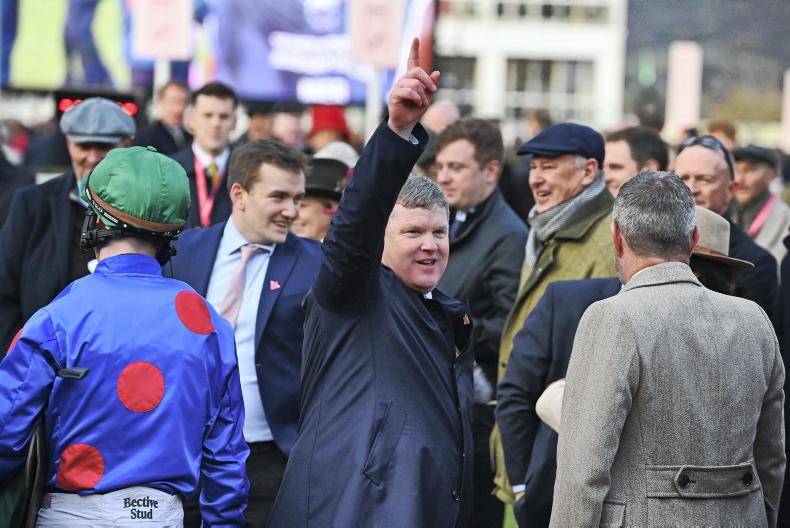
Two weeks from now we’ll be in the middle of the Cheltenham Festival. Elliott has 147 entries across the 28 races. Last year he had to wait until the very last race to get a winner. I hope he gets at least five or six this time – he deserves it, and so do his loyal owners and staff.
Sport has a funny way of writing its own narratives, and few are as compelling as the comeback story. Gordon Elliott's journey from February 2021 to where he stands today is a story about resilience and the quiet dignity of putting your head down and getting on with the job.
He has reminded us that a person can fall from grace, endure the consequences, and still rebuild with humility and purpose. Gordon Elliott has done it the hard way, under a glare few of us could withstand. He has earned that redemption.