WHEN you have all the frenzy and debates that occur running into a general election campaign or any changes in government policy, be they personalities or changes in spending plans, a frequent bit of advice thrown into arguments is "It's the economy, stupid".
It was a phrase first used by James Carville in 1992, a strategist in Bill Clinton's successful campaign in that year's US presidential election.
Looking in our own back yard, with all the pressures currently on racing, the racing economy is looking pretty strong, off the back of the Goffs and Tattersalls Ireland NH store sales.
The flat yearlings are just being prepped for their sales ring appearances in September but already this year in the US we had a son of Flightline, named Zedan, sell for $10.5 million in the OBS Spring Two-Year-Olds in Training Sale in April, one of the most expensive thoroughbreds in sales history.
The top priced horse at Tattersalls Derby Sale, €400,000 for a three-year-old jumping horse who has never jumped, is mad money. We appreciate the continued spending of potential owners with large pockets and a desire for success.
Though, while they all seek the joys of success, some owners over recent years have had other elements in their backgrounds that can cause controversy and bring bad publicity to racing. The sport can be portrayed in a negative light as a rich man’s playground, leading to the question being asked as to why it needs government funding from the taxpayers’ kitty.
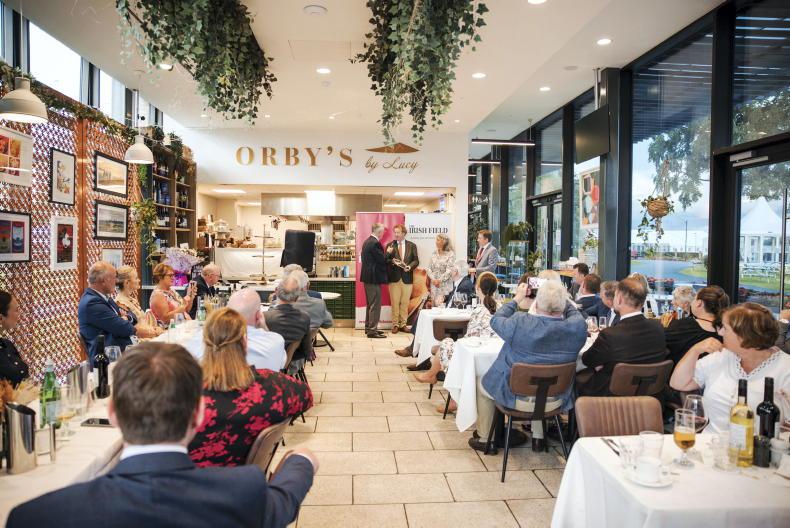
The Irish Field/Connolly Red Mills Breeder of the Year awards.
Show on the road
But look at the people behind the money. That’s all the breeders, stupid. Those that initially set so much of the thoroughbred racing show on the road.
There were vastly different perspectives in this area at the recent The Irish Field/Connolly Red Mills Breeder of the Year awards. And it made for interesting storylines, and reflections on the efforts behind the scenes.
The deserving flat breeder of the year, James Hanly, sent his mare to Night Of Thunder in the spring of 2021, he paid €25,000 for the cover. Not small money but in the top level or racing, more than value for money then. And a yearling sale for 340,000gns was a satisfactory outcome for the young colt. Sending the dam, Syndicate, back for a Night Of Thunder cover this season would have cost a pretty €200,000 advertised fee.
Now, five years on, the resulting 2021 foal, Ombudsman, has won over £4.7 million on the racetrack.
But it’s no less of an achievement for a small breeder to overcome all the obstacles in getting a foal to the racetrack.
Switch from the sales ring for a moment, back to the stable yard and the birth of the foals.
Our popular horses can have very humble beginnings, and guided by people who never get much acclaim.
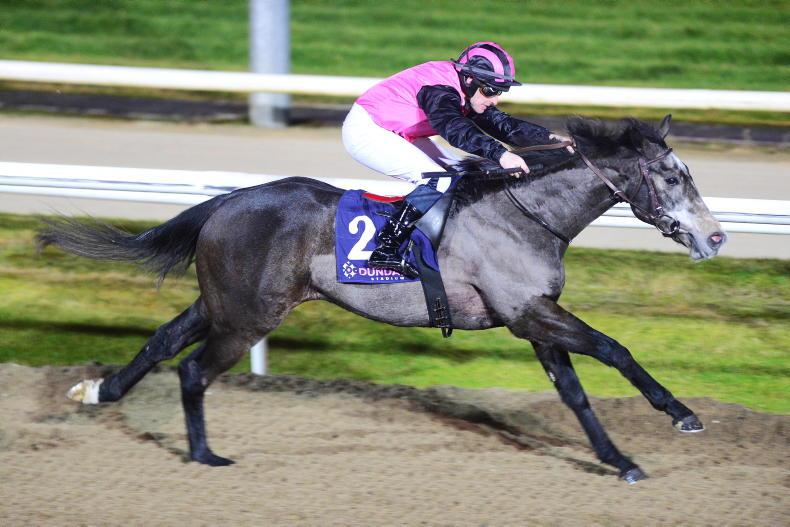
Big Gossey winning his first race at Dundalk in December 2019
Big Gossey is one of the most popular horses in training, by Gutaifan, bred by Eugene Heary from a mare bought for €14,000, with very little blacktype in the family. His day in the sales ring was brief – he was led out unsold at €21,000 as a foal at Goffs in 2017. His earnings of €669,610 make all the time spent along the way worthwhile.
The Grade 1 winning novice hurdler of 2026, I’ll Sort That, was bred by Liam Walsh. He had the upset of finding his foal standing over his dead mare in the field.
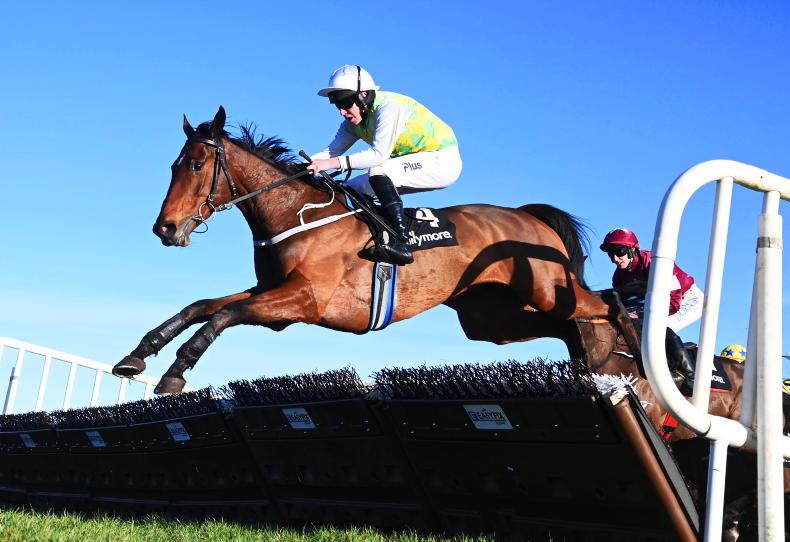
I’ll Sort That lost his dam as a foal and was reared by a foster mare
Four generations
I’ll Sort That ended up being reared by a piebald mare and when he went to the sales, he made €3,500 at the the Tattersalls Ireland May Sale in 2023. It was pointed out during his success this year that the Sandmason gelding was the first pattern level winner in four generations of his family. Hope springs eternal!
We also had awards given last year to the breeders of the fine jumping mare Spindleberry, who was also a cheaply produced horse by Dermot Day. She went through the ring for €11,000 as a store at the Tattersalls Ireland May Sale.
The small breeders appreciate their few moments of acknowledgement for breeding a good horse.
In HRI’S 2023 Deloitte Social and Economic Impact Report on Irish racing, it concluded: “There are almost 6,600 breeders with c.14,850 broodmares supporting over 200 stallions from stud farms in 32 counties.
The Irish Breeding and Racing industry supports 30,350 full time equivalent staff in total. This includes 9,400 jobs directly related to the industry. Over 40% of these (c.3,950 full time) work in breeding operations.
But, crucially, it noted… "81% of breeders had one or two broodmares (which accounted for 7,107, or just under half of the broodmare total), which illustrates the significant contribution of these smaller breeding operations. Only c.2% of breeders have 11 or more broodmares."
All the advances in AI may tell you how well your horse moves, how fast it can run, but it won’t put in the effort on the ground to see a foal get to those sales dates and in the condition to perform on the track.
Let’s acknowledge those small breeders who keep the faith in the hope that they can dine at the top tables, alongside those who have far more resources.
The racetrack is a great equaliser. So, don’t forget all the breeders!
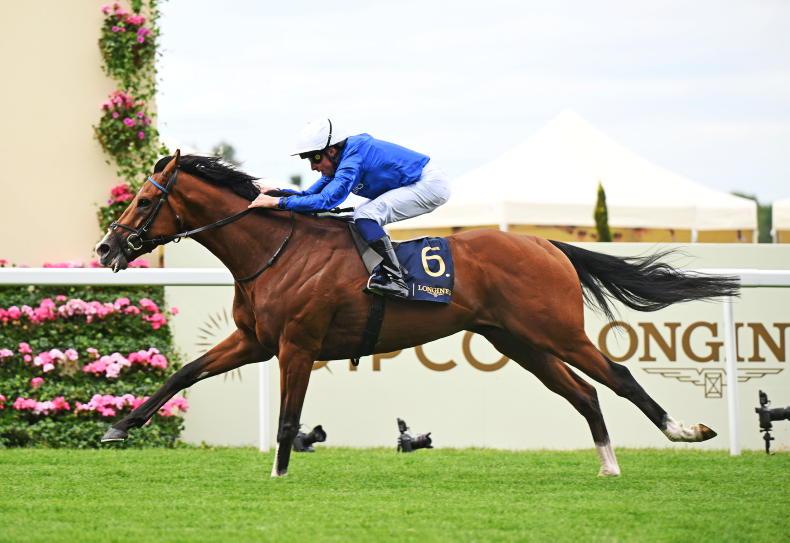
From a €25,000 covering fee, Ombudsman has won over £4 million