FINDING the right noseband to suit your horse can be the difference between a happy partnership and an unhappy horse and rider. With such a wide range of choices on the market it can be difficult for owners to decide what would suit their horse best. Sometimes we look to our sport’s professionals for inspiration, however, it is important to remember that every horse is different and what works for one won’t always work for another. With that in mind, here is the information you need to know before choosing a noseband for your horse.
FUNCTION
Today, the noseband has several uses:
A noseband helps support the jaw allowing the horse to relax the masseter muscle, and flex softly at the poll. It is also used to keep the horse’s mouth closed, preventing the horse from evading the bit by opening the mouth too far. For horses that try to put their tongue over the bit and avoid pressure in that manner certain nosebands can be used to prevent this from happening.Nosebands aid the rider in managing a strong horse that pulls. Often riders will choose a stronger bit to manage a strong horse, however, a correctly-fitted noseband can be used instead. This makes it a valuable option for riders that want more control, but do not want to make the horse afraid to go forward, especially when jumping, which is often an undesirable consequence of a horse that is placed in a strong or harsh bit.The noseband can act as an attachment for other equipment, such as a standing martingale or sheepskin noseband.Nosebands can be used to aid the horse’s appearance at shows. When raised high, it can make a long-nosed horse’s face look shorter and more proportional. Various positions up and down the nose may help the face look more handsome. A wide noseband can make a heavy head appear more delicate.In some disciplines, a noseband is added simply for decoration and is not attached to the bridle or adjusted to serve any useful purpose.
Cavesson noseband
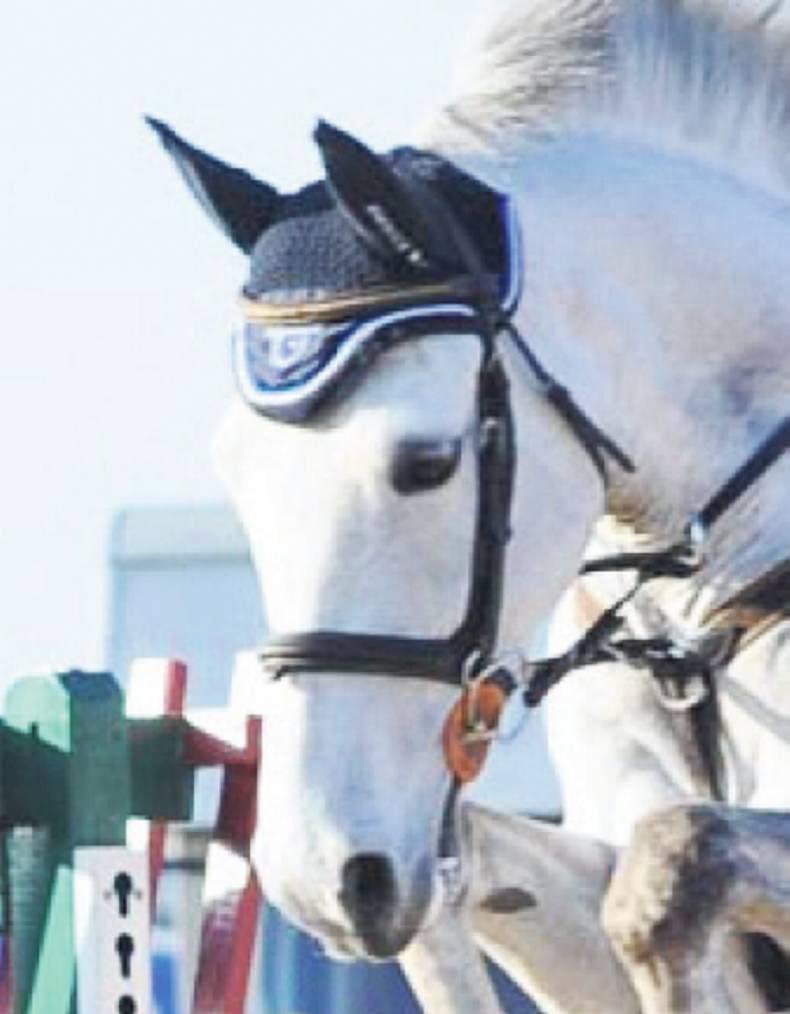
The cavesson is the simplest type of noseband and can be used for attaching a standing martingale to if needed. The action of this noseband is very minor, unless it is used in combination with a standing martingale. A cavesson or crank noseband is the only noseband which should be used with a double bridle.A cavesson should be fitted two finger breadths below the cheek bone. When fastened you should be able to place two fingers between the horse’s protruding cheek bone and the body of the noseband. You should be able to comfortably slide at least one finger between the noseband and your horse’s face all the way round. It should never be fitted so tight as to cause discomfort to the horse.Crank noseband
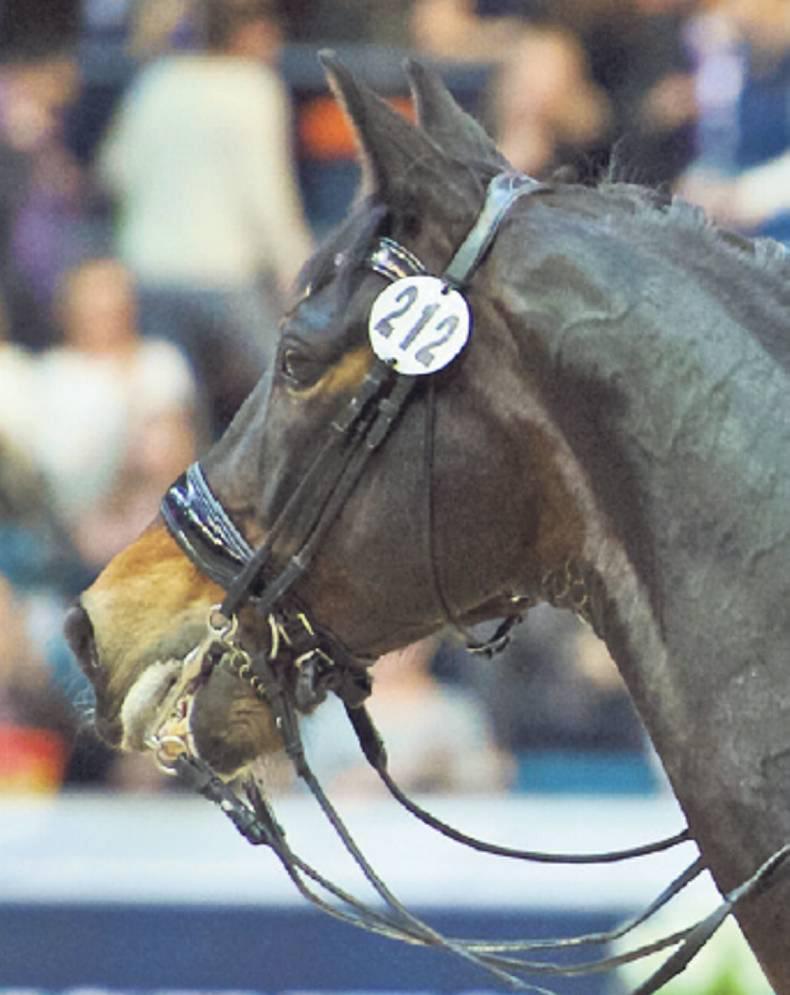
The crank noseband is also known as a cinchback or doubleback. It is fitted similarly to a cavesson, but more snugly.
It is designed to be fastened around the horse’s nose, without a buckle at the back that might press into the horses jaw. This type of noseband can be used with any type of bit.Crank nosebands act similarly to grackle nosebands in that they help prevent a horse from opening or crossing the jaw. In such instances where you cannot use a noseband that fastens below the bit this is a suitable alternative. The crank noseband is popular with dressage riders who are using double bridles. Care must be taken not to over tighten it and prevent the horse from being able to open the mouth at all. If repeatedly fastened too tight it can cause calluses. Drop noseband
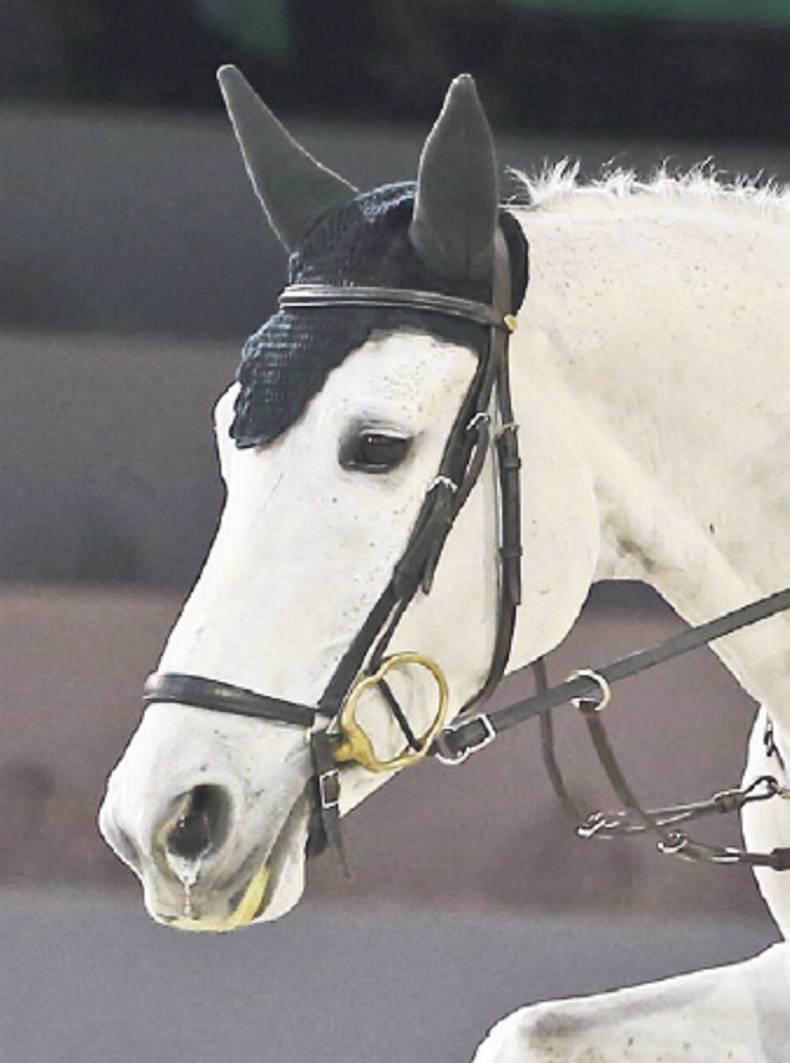
This type of noseband is used to prevent a horse from opening its mouth so wide that it will be able to evade the action of the bit, but allows the horse to flex and move its jaw.The front of the noseband should lie on the bony part of the nose (some nosebands may have an adjustable front to allow for a better fit on the nose), with the strap dropping down below the bit and buckling behind the jaw.Correct fitting is essential, where the noseband is fitted too low it can interfere with the horse’s breathing and cause distress.Flash noseband
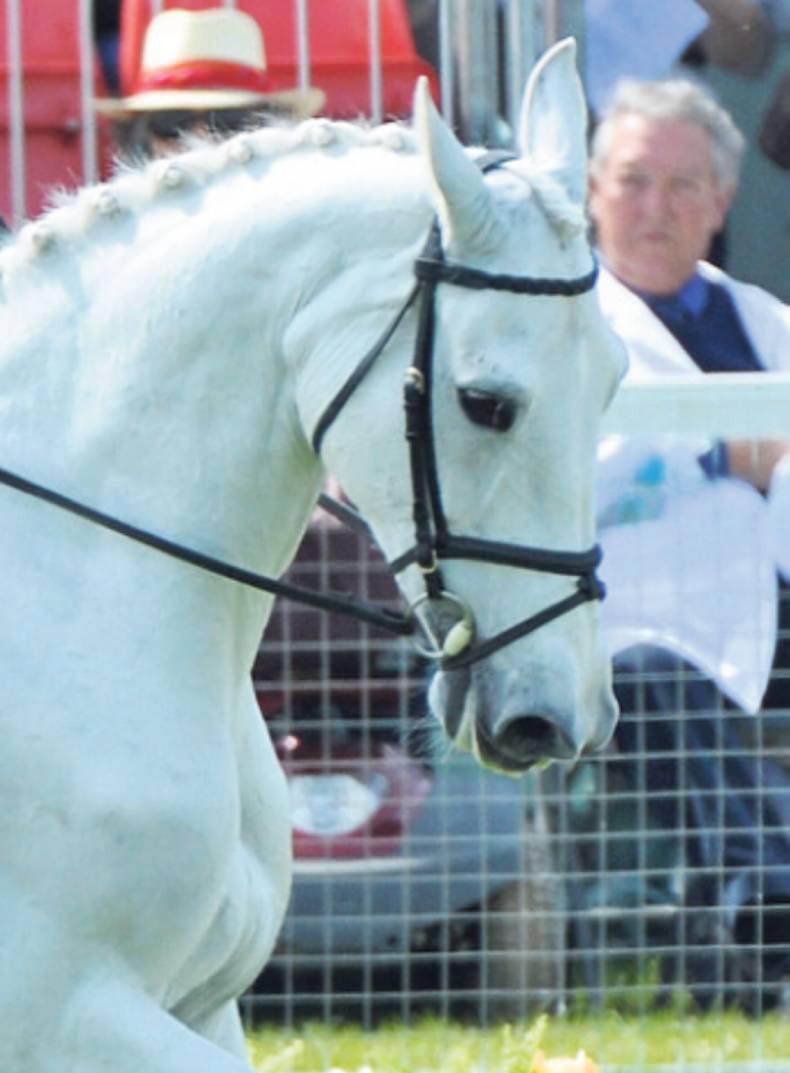
A flash noseband is simply a cavesson noseband on to which a light strap is sewn or is passed through a small loop on the front of the cavesson. Fit the cavesson as normal, the flash strap should fasten below the bit and works in a similar way to a drop noseband, however, it is easier to fit and generally considered more comfortable for the horse.The flash should not ride up over the bit rings and should not interfere with the nostrils.Grackle noseband
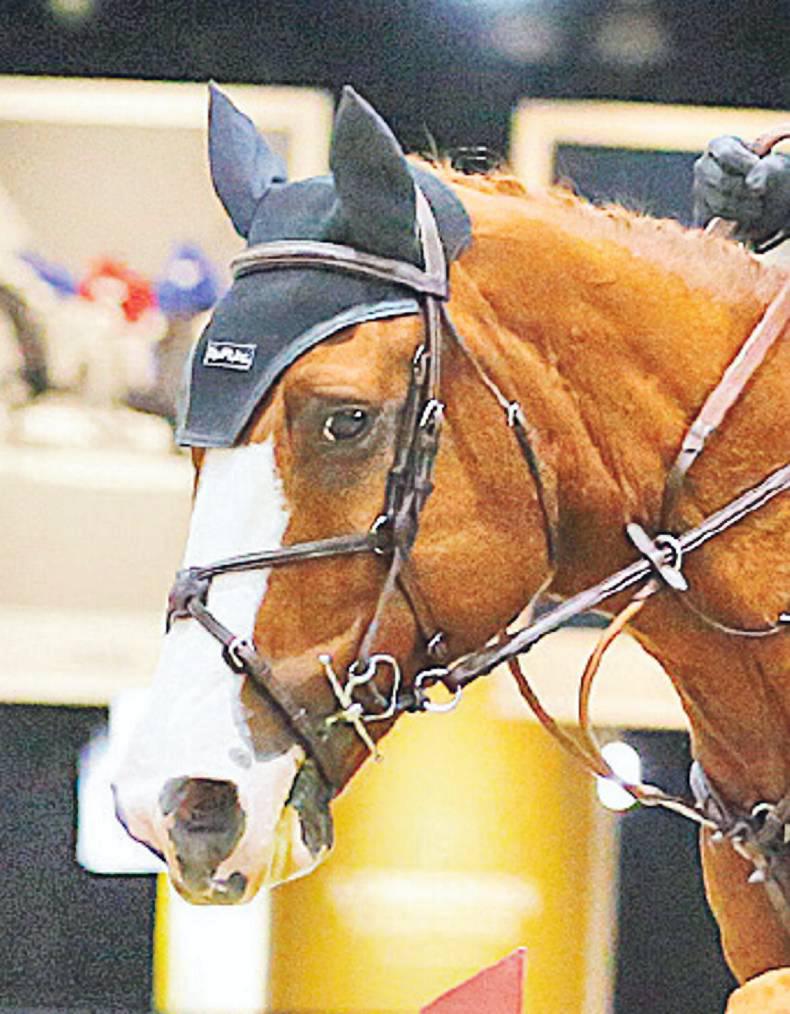
This type of noseband is effective in preventing a horse from crossing its jaw by acting over a wider area of the head. Again, it has a similar action to the drop noseband but is less likely to affect the horse’s breathing.The grackle acts from a headpiece the ends immediately above the horse’s cheekbone or just below. Two straps cross over the bridge of the horse’s nose, where they are stitched together and are usually padded underneath.The straps then pass around the horse’s nose and are buckled above and below the bit. These straps can be adjusted as required but should not be loose enough to allow the lower strap slip under the horse’s chin.Kineton noseband
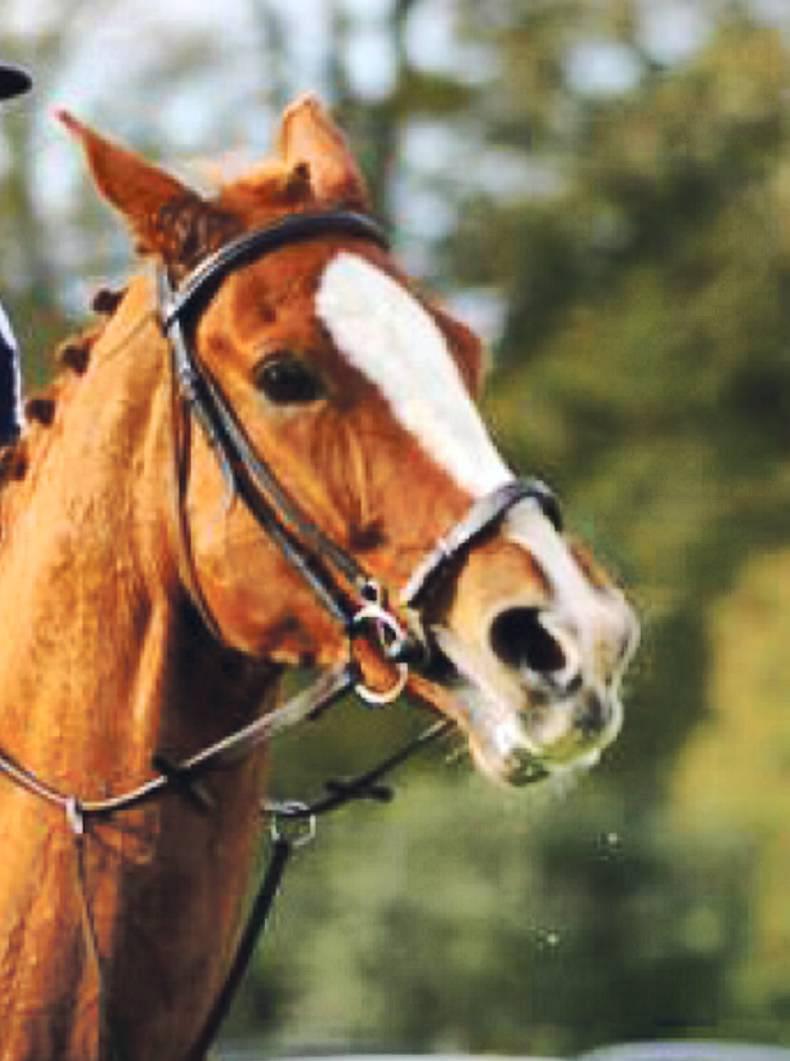
The Kineton noseband consists of two metal loops, one end of the loop is attached to a short, adjustable, centre strap and the other to a long headpiece.This noseband acts by transferring some of the rein pressure to the bridge of the nose. This noseband is often helpful in controlling a strong horse.Great care must be taken when fitting this type of noseband to ensure that the horses breathing will not be restricted. The centre strap should rest on the bony part of the horse’s nose.The metal loops fit around the mouthpiece of the bit between the bit ring and the horse’s face.Australian noseband
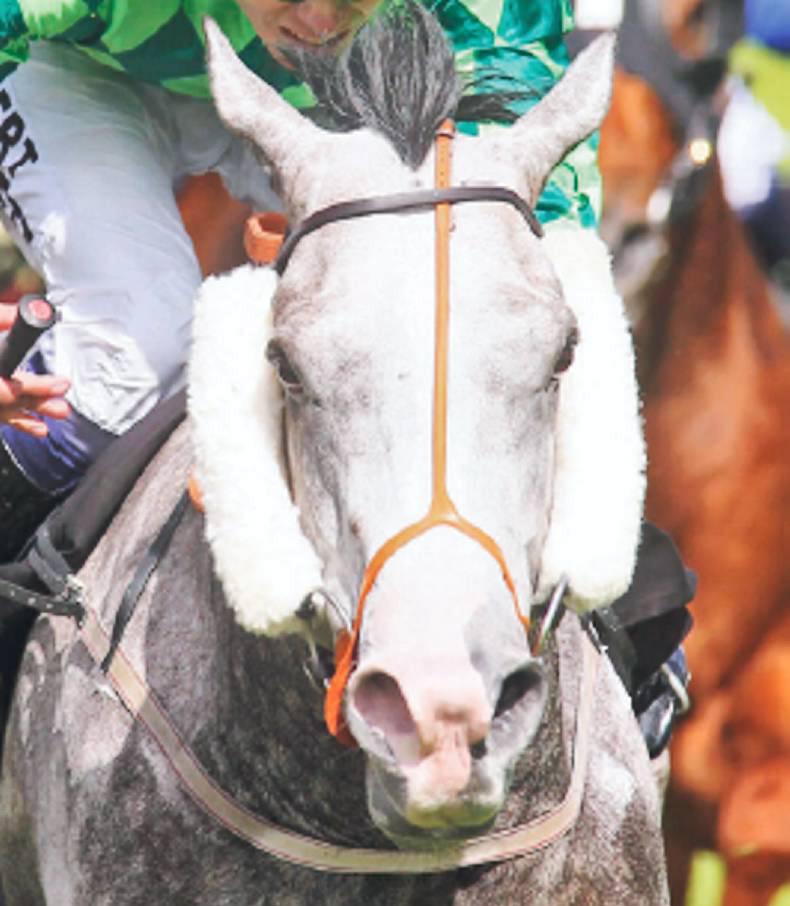
This type of noseband is often seen on hard-pulling racehorses.Usually made out of rubber, it attaches to the headpiece at the top if the bridle and runs down the front of the face before dividing in two at the centre of the nose. The noseband ends in two rubber rings which attach to either side of the bit.This type of noseband also helps to keep the bit high enough in the mouth to prevent the horse putting his tongue over it.Sheepskin noseband
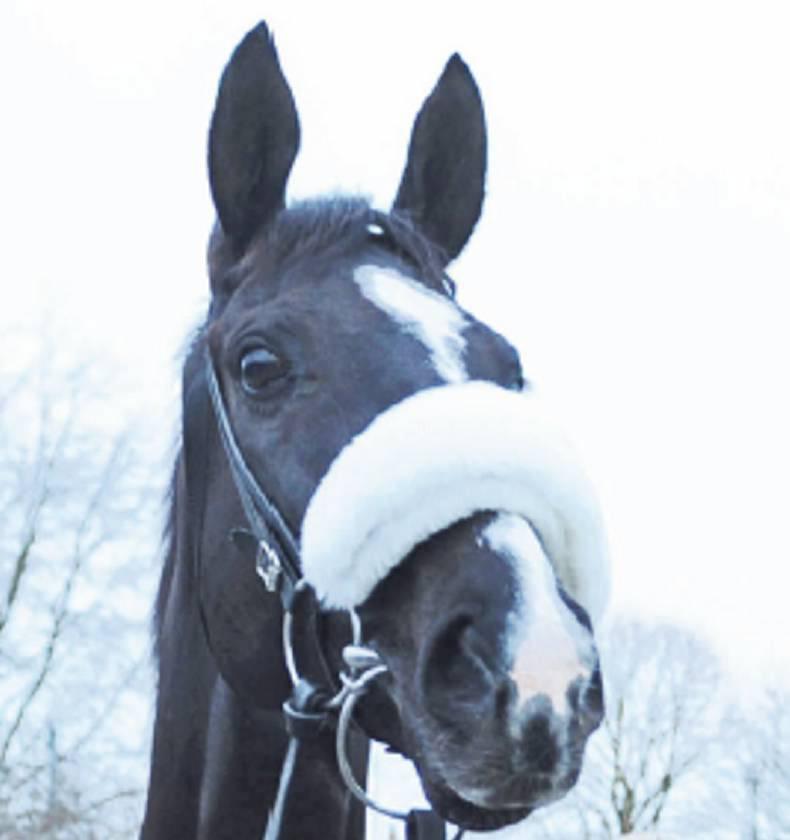
A sheepskin noseband is formed by covering the front of a cavesson noseband with a sheepskin sleeve.Sheepskin nosebands are said to encourage the horse to focus its vision on what is ahead and not what might be on the ground, for example shadows.A sheepskin noseband can be useful on a horse with one eye, it helps the horse carry its head straight.A sheepskin noseband restricts the horse’s view when head carriage is high, encouraging the horse to lower its head.If a horse is thin-skinned the sheepskin will also protect the horse’s face from being rubbed by the bridle.Combination noseband
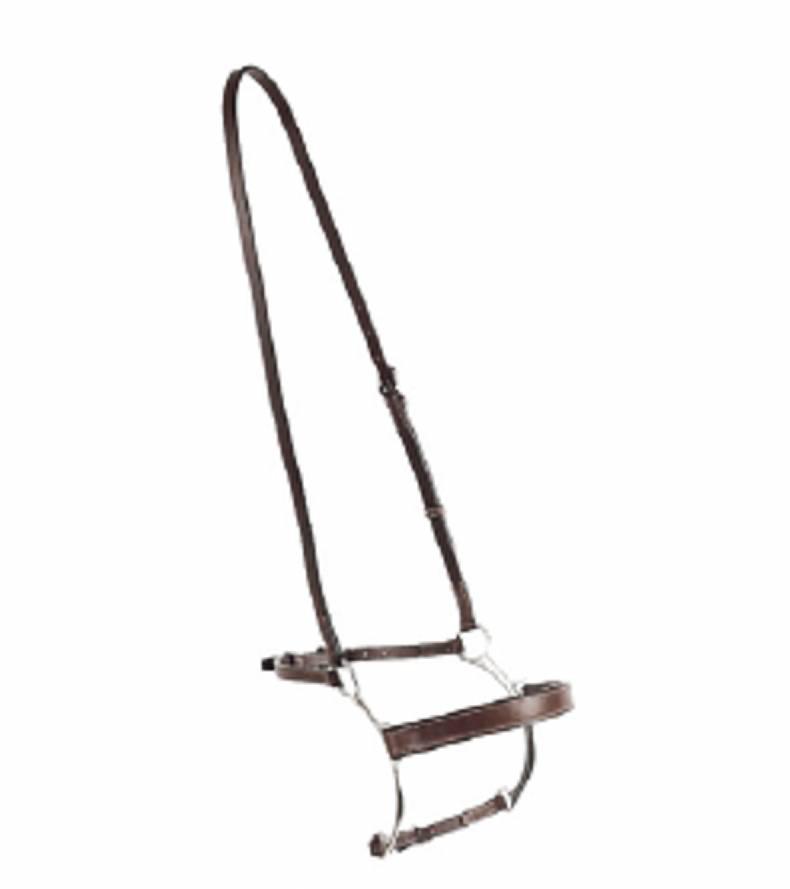
The combination noseband has a half-moon piece of metal that goes on each side of the horse’s face. The leather strap at the top end of the metal curve runs behind the jaw from just under the horse’s cheek bones, fastening at the back of the jaw. In the middle of the metal curve, a piece of leather runs over the top of the nose, acting as the main noseband, sitting somewhere between a cavesson and a drop noseband. The third piece of leather attached to the bottom of the metal curve runs across the chin groove of the horse.This noseband works similarly to the grackle noseband by preventing the horse from crossing his jaw, this gives the rider more control. The slightly lower position of the noseband, when compared to a cavesson, acts in a similar way to a drop noseband, placing pressure on the nose and chin groove, but without restricting the horse’s breathing.This type of noseband is ideal for sensitive-mouthed horses who are very strong, but wouldn’t go well in a stronger bit. It is also good for horses that tend to lean or pull down and forwards.Micklem bridle
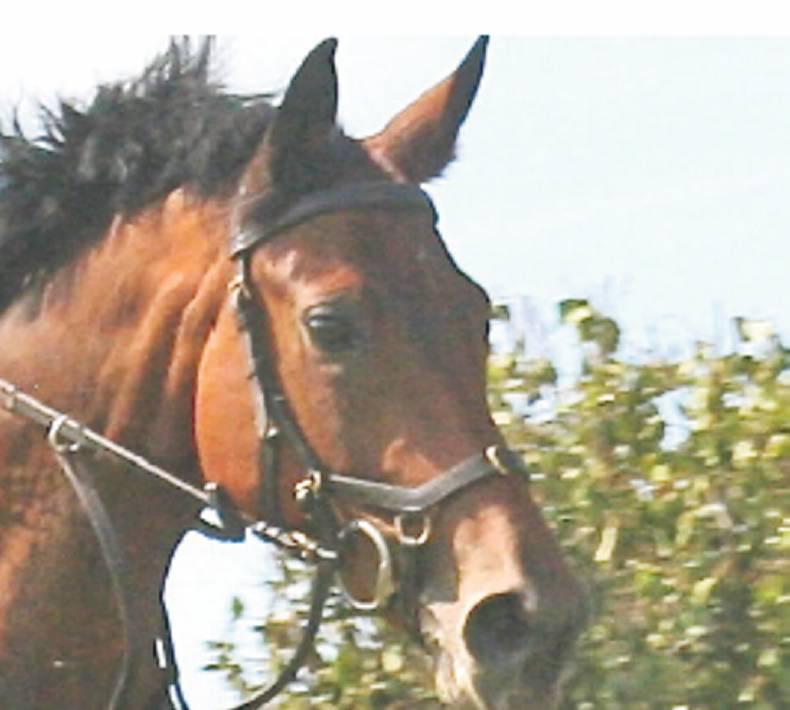
The Micklem bridle is designed from the inside out, from the shape of the skull itself and the position of the teeth and motor and sensory nerves, instead of just from the outward appearance of the head. In particular it avoids any pressure on facial nerves, the upper jaw molar teeth that are wider than the lower jaw, and the sensitive lower nose bones. When used with the bit clipped to the bridle it provides a solution for horses who resist because of discomfort or pain with too much pressure on the tonque and bars of the mouth, and as a result fight the contact or get their tongue over the bit.
It can also be used bitless and is particularly effective as a lunge cavesson that fits easily and comfortably. In addition the weight of the bridle is taken comfortably on a wide and padded headpiece, rather than all the weight going on one narrow noseband strap. To fit the noseband on this bridle ensure that the front nosepiece is approximately two to three inches higher than the corners of the mouth and at least six fingers above the nostrils. To confirm you have the right position, put your fingers either side of the nose at this point and you will be able to locate where the fragile ends of the nose bones begin. The front nosepiece should not be below this point. Then use both the cheek pieces and the bit straps or clips to fit your bit at the normal height. For more information visit williammicklem.com

Reece St John of CWD
Using this type of noseband in conjunction with a bit, while adding Pelham rounding’s means that there are three different points of contact - the poll, nose and mouth coming to a single rein. In this way rein pressure can be directly distributed across three areas rather than just the mouth alone.
This type of noseband is used by riders who have a strong horse but don’t want to compensate by using a stronger bit. Using this combination gives a softer mouth feeling on the rein while creating greater control without added force.
A combination like this would mainly be used for the purpose of jumping, most riders would use a second bridle for flat work and regular exercise.
It is important for riders and horse owners to remember that all horses are individuals, what works for one horse won’t necessarily work for another. When it comes to choosing tack for your horse my advice is to seek the professional help of a coach. An experienced qualified coach will be able to assess your horse’s way of going and will be able to recommend a suitable type of bit and noseband combination for your horse. You can then talk to your local tack expert about what they can do to help you achieve the best possible outcome for you and your horse.