It’s two and a half hours of clear driving from Cloughjordan to Dundalk. Forget winter weather and any sort of traffic obstructions. And that’s just Google offering us the best option.
That’s the trip trainer Denis Hogan had to make last Friday evening. And he had to travel back home again.
Richard O’Brien’s trip for his Dundalk winner on that card - from Ballingarry, Co Limerick as the country tried to stay safe in weather warnings - should have been three hours and 12 minutes for the 314km journey, that’s one way. Not a 'put your feet up, have a glass, relax' Friday evening.
Surely then it makes total sense to have another all-weather track for the winter in the south of the country.
Or does it? There are a lot of initial positives for those racing day-to-day in bringing everything closer, but what benefits one might well damage the other.
Dundalk’s all-weather track opened in August 2007. The featured MCR Group European Breeders Fund August Premier Handicap was won by Emmpat, ridden by Billy Lee for Charlie Swan. The second was British raider All The Good, ridden by Eddie Ahern for Ger Butler.
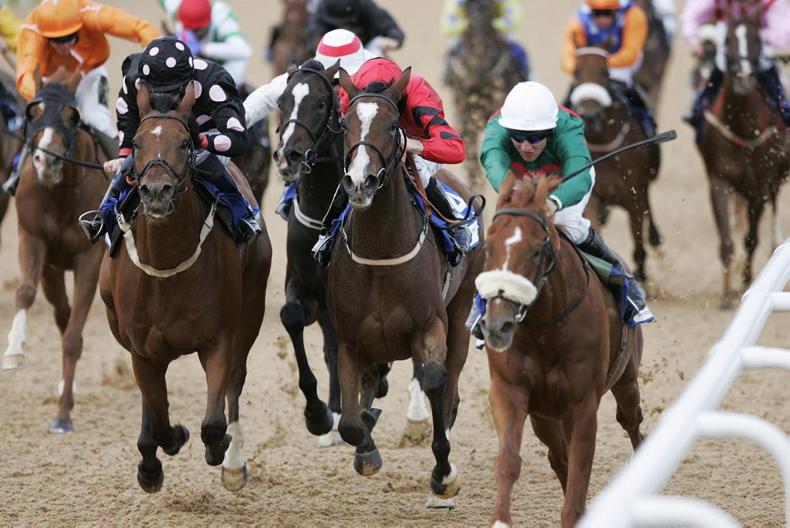
A year later, now owned by Godolphin and trained by Saeed bin Suroor, All The Good became one of the first Europeans to win a big Australian race when he landed the Caulfield Cup. Dundalk was part of his beginnings on the international stage.
The track had 41 fixtures in 2025, all but three of those in the winter and spring months from Jan to April, and October to December.
Tipperary go-ahead
Now we will have a second all-weather option with Tipperary getting the go-ahead, greeted with enthusiasm by many.
Tipperary AW building to start in early 2026
Originally budgeted at €18 million, Tipperary's all-weatheris likely to cost significantly more than that.
Unlike in Britain, where racecourses own their fixtures, HRI controls our fixture list.
Tipperary will need its own batch of fixtures to add to the 11 turf meetings it staged over the last two years. Build it and they will come? Where will the horses come from?
In supporting the new all-weather development, Tipperary trainer David Marnane said: “It will be great for southern-based trainers, it’ll be good for Ireland and good for the game, in general. It will provide so many opportunities for a lot of horses, particularly those better-ground horses who go out to Australia, America and Hong Kong.”
That’s a simple outlook. But that path is not paved with gold. Most races on Dundalk’s cards usually feature the maximum 14-runner fields, or close to it. Wednesday’s fixture had reserves in five of the races. Friday too, has a surplus but not by that much.
Just one extra fixture each week of the winter months will need around 70 horses just to give seven 10-runner fields. It’s hard not to see it diminishing Dundalk.
Where do we get extra prize money from? Will it end up like Monday’s Newcastle card, where five of the eight races had less than eight runners and only one had 10 runners?
And will it be enough to justify a second track, if trainers get owners do buy into more horses, to run here, with a view to selling on?
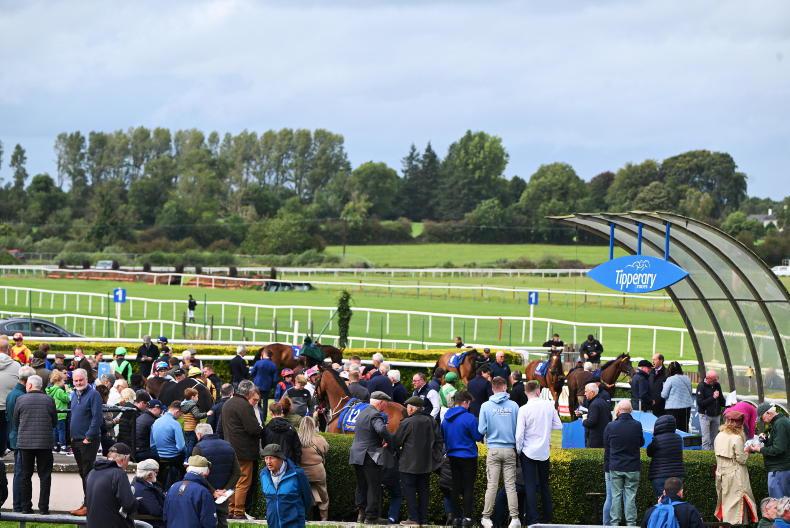
Year-round opportunities
“As well as being able to stage regular flat racing throughout the winter months, we will retain the existing turf jumping fixtures to provide year-round opportunities under both codes,” Andrew Hogan, Tipperary Racecourse manager, said.
Big-field handicaps are the most profitable races and the Irish betting product is most valuable when English racing is not a competitor.
Notable races which draw British raiders include the Al Basti Equiworld Dubai Diamond Stakes, the Group 3 Pat Smullen Mercury Stakes, (which has had nine UK winners) and the Irish EBF Listed Cooley Stakes. Will Tipperary have to get a pattern race or two for the south?
Expand fixtures
In their 2024-2028 Strategic Plan, HRI says it wants to expand the fixture list to 430 by 2028. There are 391 scheduled for 2026, so it seems reasonable to assume they plan to give Tipperary’s all-weather 40 fixtures per year.
HRI has never suggested it would take fixtures from Dundalk and give them to Tipperary but one would imagine if they tried to do that Dundalk would have a strong legal case to challenge it.
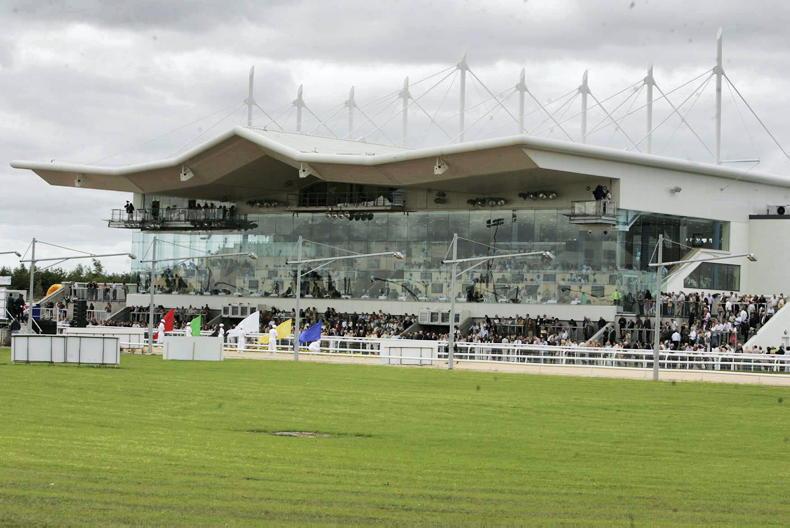
Added to running costs, HRI may need to find close to €1 million extra for Tipperary prize money. (That's based on HRI providing 60% of the prize money for 40 meetings, each with seven €10k races).
Will it be glorified greyhound racing for Hong Kong punters, with a dodgy claiming race result every other week? Not really a showcase Irish racing needs. Does the typical Munster racegoer have an interest in low-grade flat racing?
It took Dundalk years to build up a Friday night clientele. Maybe Tipp will try late night hurling under lights as an added attraction?
So, amid all the undoubted local enthusiasm, does anyone else think that the bigger picture on Tipperary doesn’t really sit that well amid the current Irish racing scene?