Many racing folk are at their most glamorous this week, in top hats and tails, headpieces and frocks, for the Olympics of flat racing, Royal Ascot.
I may be enjoying it from the comfort of my couch this year, but I enjoy donning my glad rags as much as the next person. The pain of pinching heels eases with plenty of Pimms, forgotten when faced with top-class racing, all the time spurred on by the prospect of post-race picnics in the carpark.
By Sunday, the glam squad will be in more relaxed attire, their post-Ascot blues eased by wellies - the standard uniform for horsey folk, more at home in the great outdoors.
Consciously or subconsciously, being outside with animals is a huge draw for those working hands-on in racing and breeding, even if it may not feel like that when the rain beats down and the cold bites.
I’m preaching to the converted when I say that being outside offers numerous health benefits, both mental and physical. Spending as little as 15 minutes in the fresh air lowers blood pressure and lowers stress hormones, reducing anxiety and depression.
Exposure to trees and birdsong boasts its own benefits – all proven by science. I won’t bore you with the details, but will add that all studies were, unsurprisingly, focused on humans.
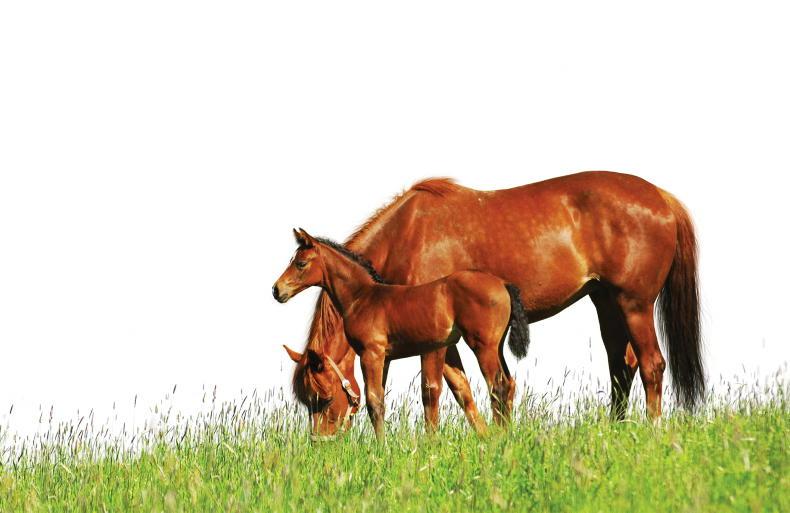
However, it would make sense that a healthy environment would also be of benefit to our equine companions, who spend a greater portion of their lives outdoors. Other reasons to farm in harmony in nature are to increase biodiversity, provide cleaner water and mitigate against climate change.
There is a fear that practices alternative to the modern norm involve higher costs, but that’s not necessarily the case – agri-environment schemes are available and some practices cut costs – introducing natural nitrogen fixers reduces the need for synthetic fertilizers, for example.
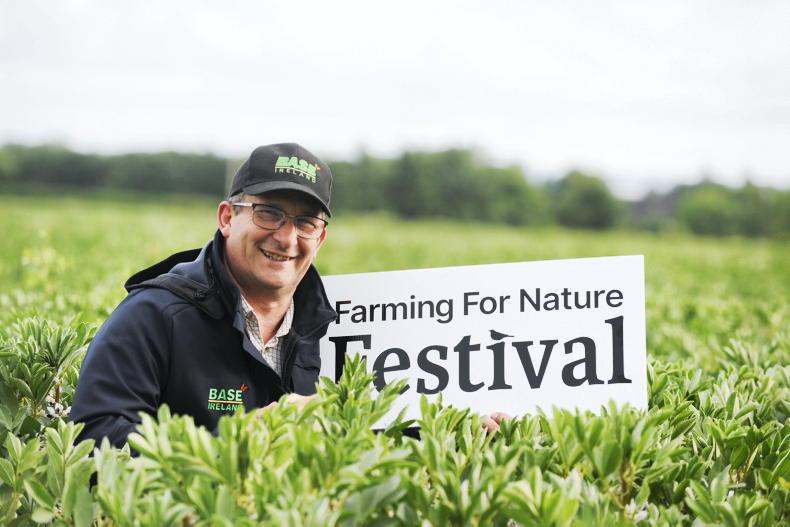
If you’re interested in adopting nature-friendly practices at your farm, consider attending the Farming for Nature Festival, which takes place at Ballykilcavan Brewery, Co Laois next week.
The inaugural event kicks off with an evening solstice celebration on Monday, June 22nd, followed by a full day of demos and talks on Tuesday, June 23rd. While no session focuses on the equine sector, there are plenty that are relevant to a wide range of farms.
One of Tuesday’s first talks sees Ear To The Ground presenter Ella McSweeney speak to three farmers regarding their inspirations, the challenges they’ve faced and how more sustainable practices have affected their farm outputs (Speaker Tent 1 at 10am).
At the same location a little later, learn about how and why you should nurture species-rich grassland (Speaker Tent 1 at 11.30am). Climate change and the contrasting rainfall it brings will be address as part of a talk on water resources at the same venue at 3pm, while at 4.30pm, a panel asks who foots the bill for restoring our ecosystems.
If your business includes forays into dairy, tillage or beef, you should check out Speaker Tent 2, where Pippa Hackett will facilitate a talk on moving to regenerative methods. Return at 3pm for ‘Show me the money’ as a four-strong panel share how their finances have been impacted by the changes.
All farms, no matter their size or output, have hedgerows and there are two demos on Saturday exploring ‘Healthy Hedgerows’. Master hedgelayer Eamon McLoughlin will show what makes a good hedgerow in terms of biodiversity and stock proofing, with tips on restoring or enhancing existing hedgerows.
Agroforestry is a popular diversification for many farmers and at 10am, you can learn about the benefits trees can bring to your operation, along with practical advice on their establishment.
Then there are events to simply enjoy, night owls might be suited to the bat walk on Monday evening, or there’s a walk during the dawn chorus at 7am on Tuesday. There are plenty of more niche topics covered, including specialised food production – maybe you just want to whet your appetite, or maybe you’re thinking of setting up a side project.
Over the course of the two days, attendees will have the opportunity to ask questions in the free advice area, including details on grants and mentorship schemes available. If that wasn’t enough, there will be a food court, machinery displays and trade stands, along with fireside chats, live music and social spaces.
For tickets and further information, visit www.farmingfornaturefestival.ie
If you can’t make it next week, the Farming For Nature website shares endless information and resources on the subject, which is all contained in the Farming For Nature Handbook, which was published last year.