AHEAD of the upcoming eventing, hunter trial and spring/summer show season many horses may be coming back into work, after a break, to get fit. Girth sores or girth galls can often be an issue the first time you ride your horse in the spring, because after a break your horse’s skin will be soft and more tender - the skin requires a chance to toughen up gradually.
A gall is a skin sore caused by on-going irritation. Galls typically appear as a result of friction between poorly-fitted tack, tack that is dirty or has become worn and abrasive, a recent change of tack or a new saddle that changes the position of the girth. Galls can also form due to conformation of the body of the horse that causes the girth to stay very close behind the elbows.
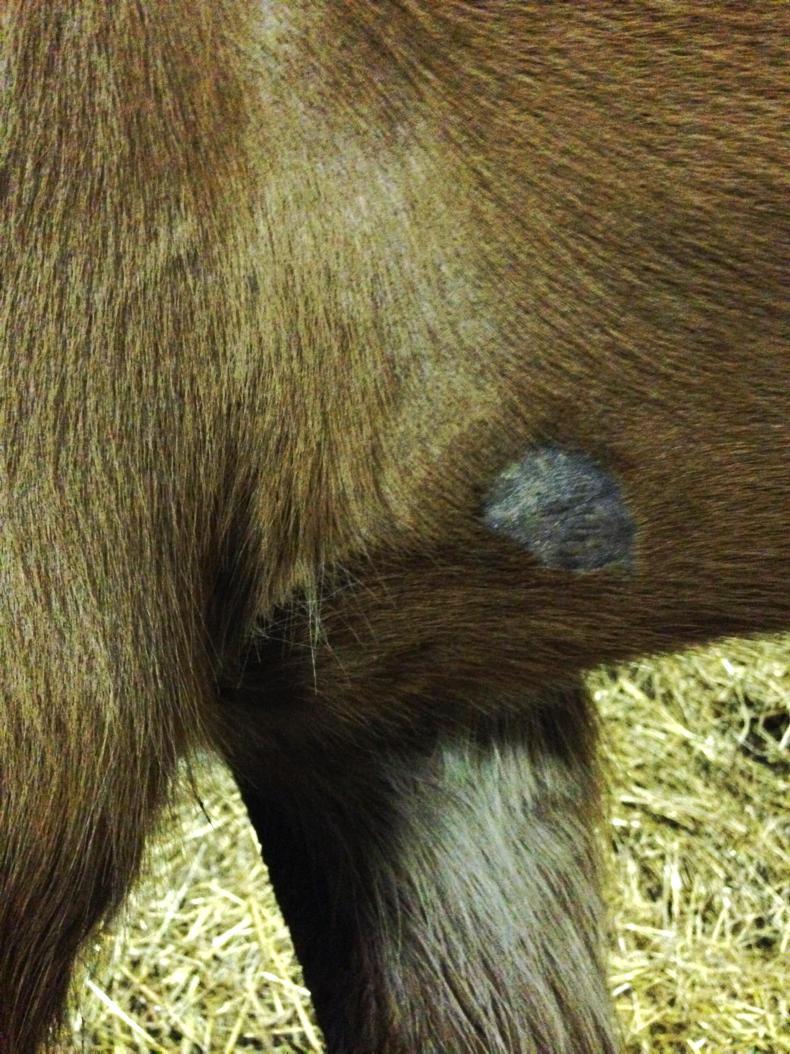
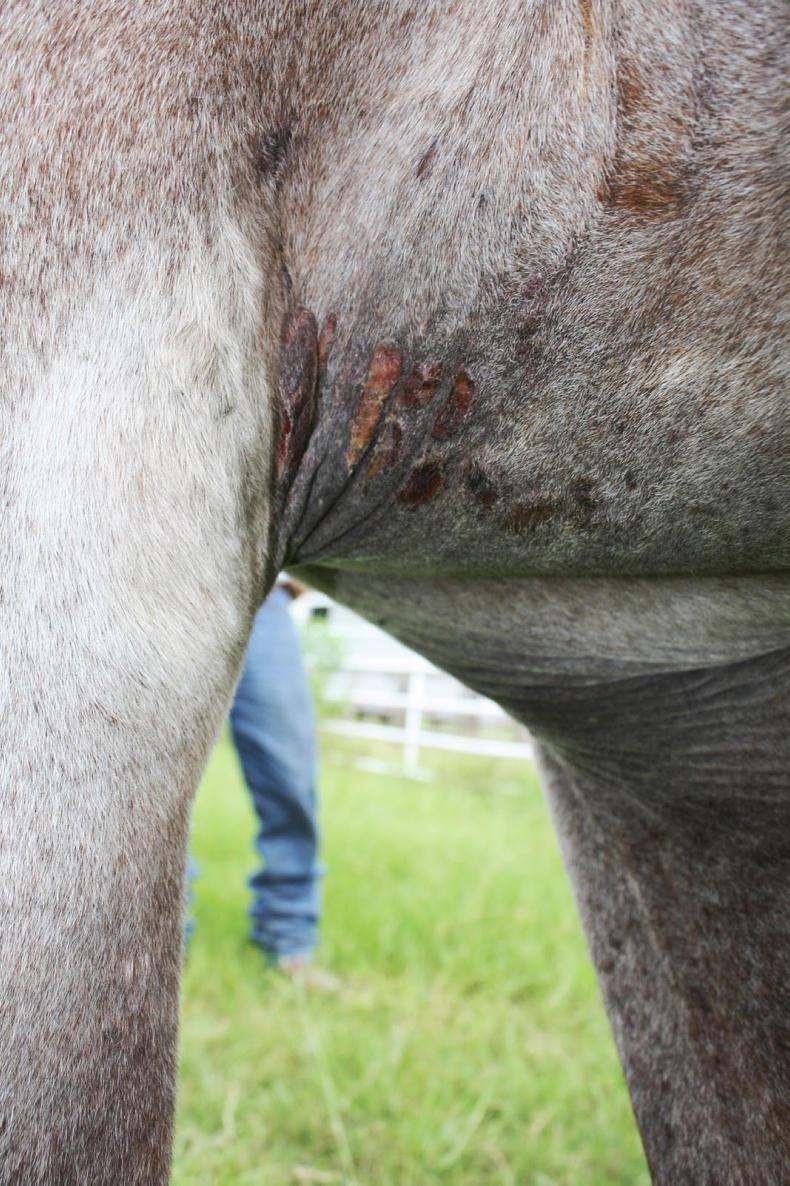
As a result of this irritation the horse’s skin can become painful, pockets of swelling may develop - often these chafed, swollen areas lose the protective hair and become tender to pressure. With continued abrasion, these areas may develop into open sores that will be susceptible to infection.
When these galls are under a girth that continues to rub and pinch the folds of the skin, they become very painful for the horse. Continued riding will exacerbate the wound, creating raw flesh, and will, most likely, affect the horse’s attitude about being ridden or exercised.
PREVENTION
Surgical spirit can be used to harden the area under the girth before the horse comes back into work. Never use surgical spirits to harden irritated or broken skin.
Thoroughly grooming your horse prior to tacking up is extremely important, when you are finished grooming rub your hand over the horses back, around the girth and in between the front legs, where the martingale passes through - feel for any small bits of mud or dirt that you might have missed with the brush.
Take care in the way you tack up the horse, remember to put the numnah and saddle on slightly forward of the normal position and slide them back into place, going with the lay of the hair. Never pull a numnah or saddle forward as this ruffles the hair - if the saddle is then girthed up tight and the horse is ridden in this position, it might create irritation that could lead to a sore.
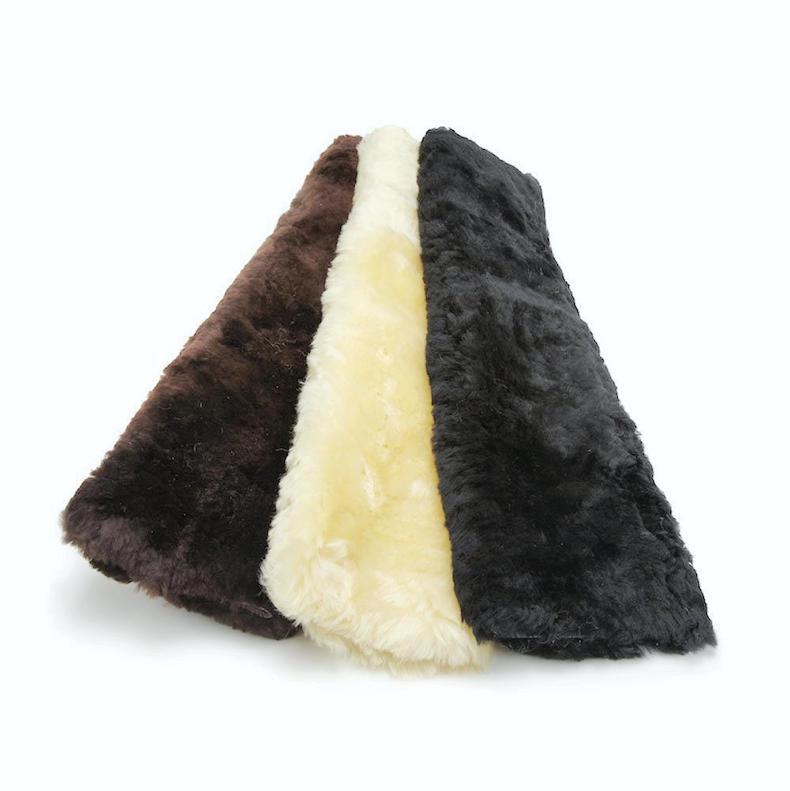
Gall-prone horses will do better with neoprene, string, or hour-glass-shaped girths that produce less friction behind the elbows. If a horse’s skin is tender, a protective fleece girth cover may work well to prevent development of sores. The fleece cover should be cleaned often to preserve the cushioning effect and should be replaced when it begins to wear.
SIGNS AND SYMPTOMS
TREATMENT
Once a girth gall develops, the horse should not be ridden, but can be exercised on a horse walker, by hand or by lunging. If swelling develops under the skin after the horse has been ridden, an ice pack should be applied to the area for 10 to 15 minutes, with two or three treatments during the day, to reduce inflammation and fluid build-up and to relieve soreness. The area should not be rubbed or massaged.
If the skin is abraded and an open sore has developed, the discharge should be gently cleaned with a warm saline solution. A drying antiseptic should then be sprayed on the wound twice a day.
Galls should be kept as dry as possible and, once infection is controlled, application of a soothing ointment can be used twice a day.
If galls do not heal quickly, a veterinarian should be consulted.