THE fundamentals for the safest, quickest most effective equine training relies on the understanding and implementation of equine body language, equine social behaviour, equine learning theory and scientifically proven humane training techniques (what good horsemen have worked out themselves).
Humane training techniques include habituation, systematic desensitisation and shaping. Systematic desensitisation, often called graded exposure in human psychology, is based on the learning process habituation - the decline of an innate response to a frequently repeated stimulus in a humane, gradual process. Shaping is a training technique whereby each step toward an end goal is reinforced by reward.
The first component in effective training/re-training is understanding the horse’s body language.
By correctly reading equine body language - postural indicators of state - we can determine the difference between a horse showing signs of anticipating pain/fear and a horse displaying body language linked to confidence, learned behaviour and misbehaviour. This is a pinnacle point in any training. By distinguishing body language it allows us to create the correct training programme for each circumstance, no one training programme fixes all behaviour problems.
INDICATORS
When studying equine body language the key areas are the ears, lip line, chin, nostrils, muzzle angle, head height, outline and tail.
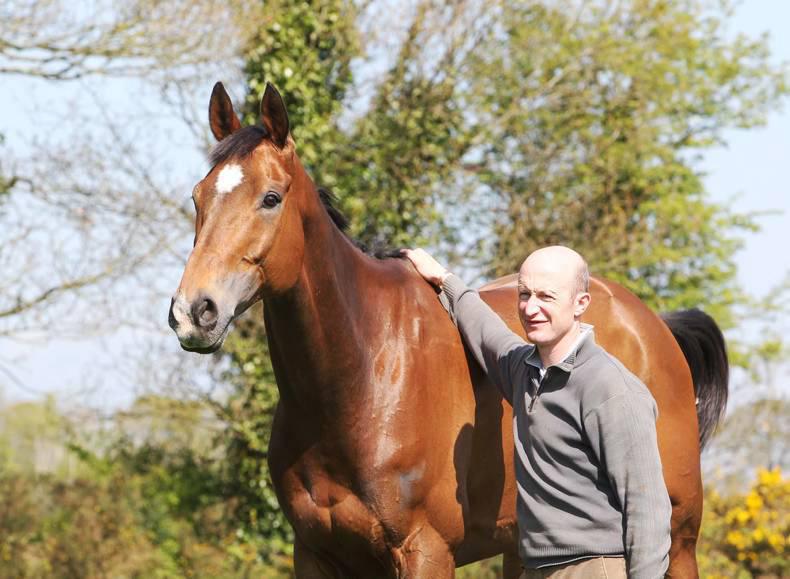
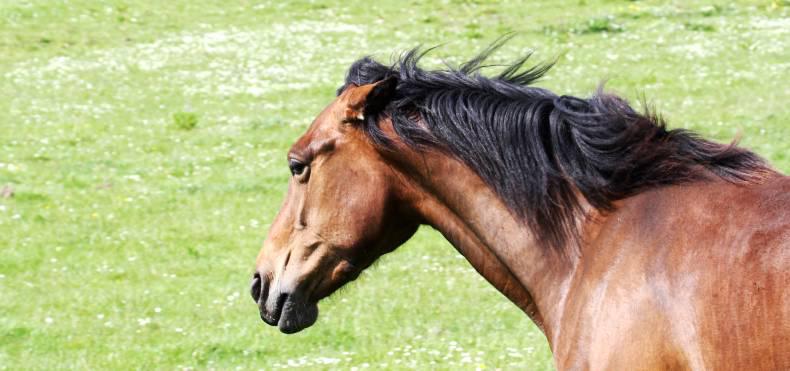
Ears: The ears are a very sensitive and integral part of the horse’s body. As a flight animal, horses rely on good hearing to keep safe and to help communicate with their fellow herd members. Behavioural scientists have discovered that we can read the position of the ear to understand the horse’s state of mind. It takes less energy to move the ears as opposed to the heavy neck and head. The ears are therefore one of the first indicators of where the horse’s attention is and we can tell what he is watching by the position of the ear (see pictures 1 and 2).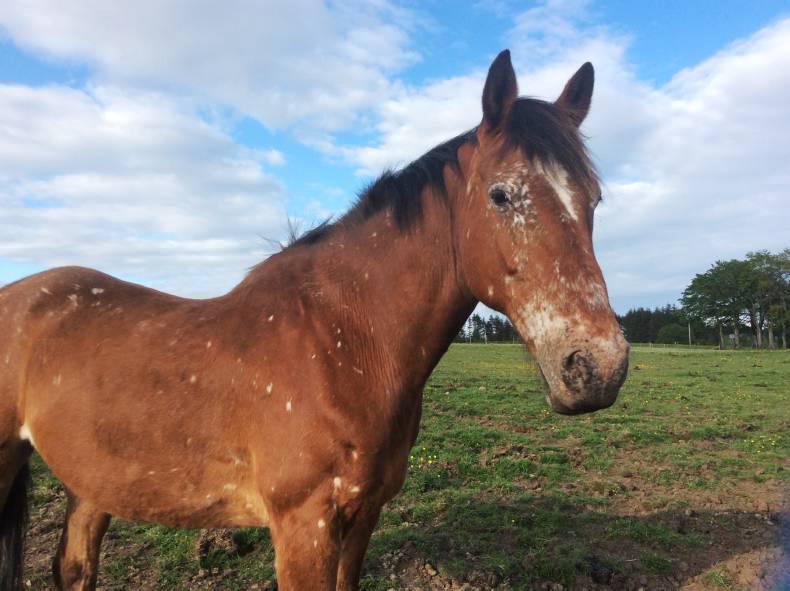
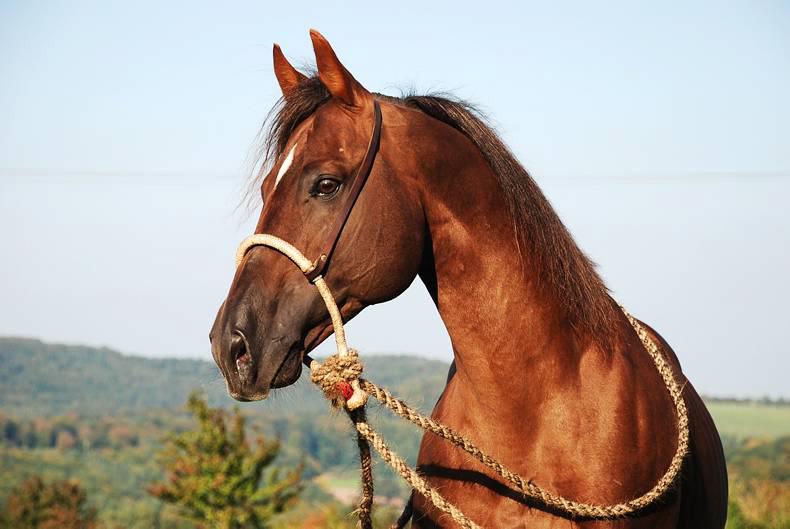
Lipline: In the relaxed horse, the line of the mouth between the upper and lower lips or ‘the lipline’ is turned down at the point where the lips meet, i.e. the ‘corner’ of the lips appear to be curled down (see picture 3). The shape of the lip line is one of the first observational signs indicating the point at which anxiety or nervousness begins. When the horse is anxious the lipline straightens so that the downwards curl disappears and the line appears straight (see picture 4). Using the lipline is a useful indicator; where there are signs of a straight lipline the horse should be considered as tense or nervous.

Nostrils: When horses are resting and relaxed, the nostrils appear round with soft and slightly outward curled edges (see picture 5). The nostrils are drawn by tension into long narrow oval shapes, an indication of fear, pain or extreme nervousness (see picture 6). Horse owners need to recognise this as a frightened or tense face and horses showing this expression should be treated gently. They should be approached with extreme caution, particularly if in an enclosed area or otherwise unable to flee and these long, tight or drawn nostrils should be considered a defensive threat.Note: In the working horse, when worked beyond its aerobic capacity, the signs of emotional tension mentioned above will be over ridden to increase air intake. The nostrils will appear very round, with extended curling at the edges or become flared. The less pigmented pink areas inside the nostrils will become more obvious to the eye. Thus in the working horse, other indicators of tension, fear or pain must be used instead, for example the tail.
Tail: A relaxed and comfortable horse will have the tail hanging loosely and slightly away from the rump (see picture 7). When the horse is uncomfortable, tense, frightened or in pain the tail will be held down, without swinging in the moving horse, and will appear tight or stiff. In acute pain or fear, the tail will suddenly be clamped tight against the rump.This is often described as ‘tail tucked’ or ‘tail clamped’ and is one of the most useful indicators of tension, fear or pain in the horse. Tail position is a good indicator of discomfort in the ridden horse and particularly useful in distinguishing misbehaviour such as shying, rearing, bucking and bolting due to fear or pain. It should be noted that a genuinely frightened horse may intersperse ‘tail clamping’ with frequent short bouts of elevation to ‘panic poop’.For more information or for consultations / equine behaviour workshops visit:
Web: societyofequinebehavioirconsultants.org.uk
Facebook: Facebook/ Lyndsey Sneddon - Regd Equine Behaviour Consultant Email: lyndsey111@hotmail.co.uk