YOU may think that enough time has passed that I shouldn’t still be discussing Royal Ascot, but the planned changes to the Windsor Castle Stakes particularly irked me.
To refresh your memory, the listed five-furlong juvenile contest will be run over six furlongs from 2026, and restricted to horses whose sire won over seven furlongs or more as a two-year-old, or over a mile and upwards as a three-year-old and onwards.
The press release which announced these changes, along with upgrades to the British Champions Long Distance Cup, Vicomtesse Vigier and the Golden Fleece Stakes, stated: “Each of these interventions – including this change to the Windsor Castle Stakes – illustrate the sustained commitment to safeguarding the production, retention and racing of quality horses with stamina – an area synonymous with European Flat racing.”
They are part of a number of changes introduced by the Pattern Committee in recent years, designed to counteract the declining commercial appeal of middle distance and staying horses. The corresponding increase in demand for sprinters is seemingly frowned upon by the Pattern Committee, but isn’t it about time that sprinters were celebrated, rather than dismissed as cheap speed.
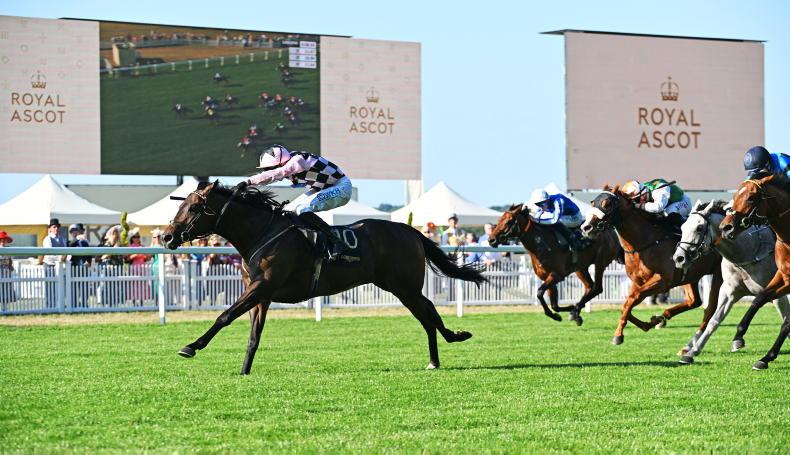
I know what you’re thinking. Of course, I would promote sprinters – they’ve given me my best days in racing, but it’s more than that. I see no reason for snobbery of any horse, be they flat or National Hunt, sprinter or stayer, colt or gelding.
While interviewing Joe Murphy last week (read the final piece here), the Group 1-winning trainer divulged that his father was integral in Ahonoora joining the Irish National Stud, which sparked this piece on how a stallion’s own race record doesn’t necessarily define their progeny.
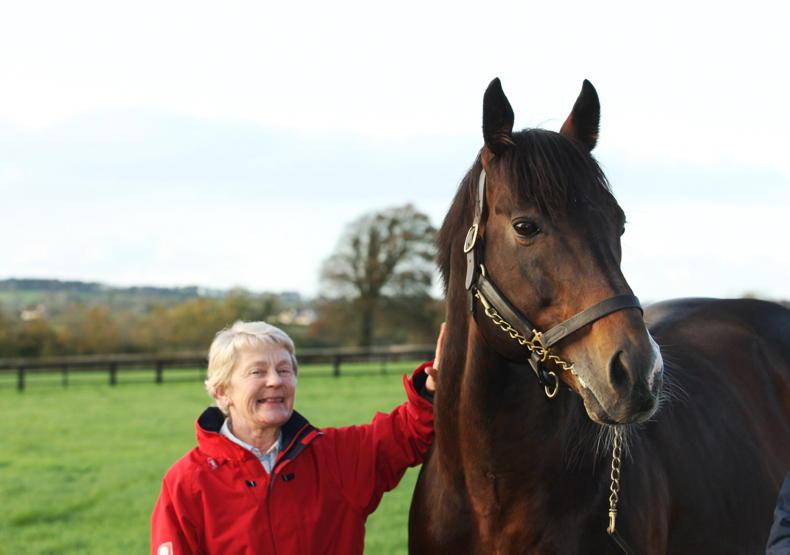 Trained by Brian Swift, Ahonoora was a sprinter (God forbid!) who rose through the ranks, from handicapper to Group 3 winner, and retired to his Kildare home at a modest fee. He went on to sire the likes of Park Appeal, Park Express, Indian Ridge, Dr Devious and Inchinor, while his daughters produced New Approach, Cape Cross, Leroidesanimaux and Acclamation (to whom you could liken his progression on the track and in the breeding ranks).
Ahonoora’s achievements are even more impressive considering he died at the age of 14, and furthermore, his progeny and descendants triumphed over a wide range of distances. It amuses me that his son, Dr Devious, whose Group 1 wins ranged from a mile to a mile and a half, wouldn’t qualify for the 2026 Windsor Castle Stakes due to his sire. Neither would several other stars by Ahonoora, but he’s not the only sire to break boundaries.
Pretty Polly, whose brilliance was defined by her versatility as much as her talent, was by Gallinule, whose greatest win came over five and a half furlongs (learning this, I wonder why the Gallinule Stakes are run over 10 furlongs, but there you go).
Before you ask, Gallinule wasn’t a one-hit wonder at stud, either – he sired two St Leger winners and a 2000 Guineas winner – and stallions have continued to defy expectations since then.
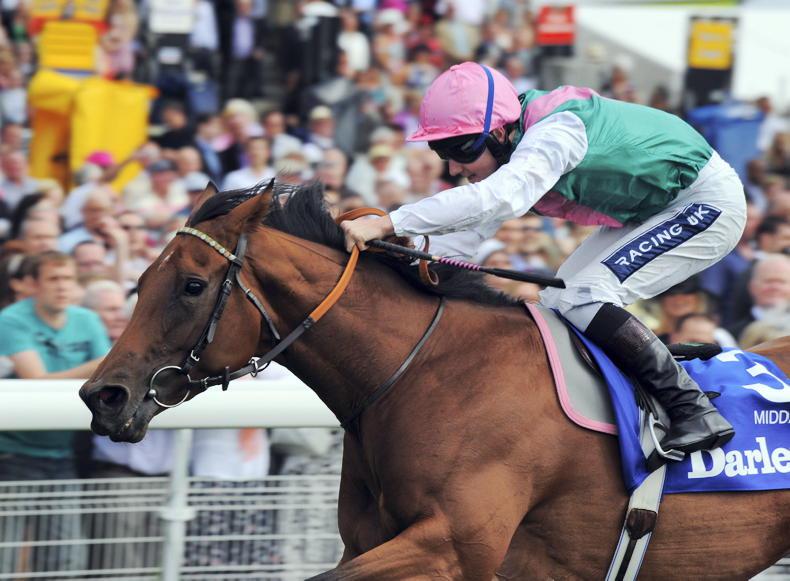 Oasis Dream is a modern-day example, one of his best offspring being Midday, whose six top-flight wins came over 10 to 12 furlongs, while his son Opinion peaked over a mile and a half.
His own sire, Green Desert, won over a mile but was arguably better over sprint distances, while his grandsire Danzig was an out-and-out sprinter before becoming a breed-shaping stallion.
His son Danehill, to whom we owe so much, won over seven furlongs but excelled over six furlongs, and will be best remembered for his stallion career, during which he sired stars over various distances.
I didn’t think we needed a reminder that breeding is not an exact science, but the Pattern Committee beg to differ.