A GLANCE at the headlines from last year’s yearling sales paints a picture of vibrancy, in plenty of cases celebrating yet further record rises.
As with any luxury goods business, quality sells and with 22 yearlings realising in excess of €2 million in the past two years, rarely have those offering young horses who ‘tick all the boxes’ been so well rewarded.
But, as ever, it is far from being that straightforward. The top end remains reliant on the desire of a handful of players. Below that, demand can be selective, making those incentive schemes available all the more valuable. All the while, production costs are rising. And that’s before the potential ramifications of various current volatile global influences, including the Middle Eastern conflict, is factored in.
To recap, Tattersalls October Book 1 retained its place as Europe’s leading auction, turning over 127,226,000gns for 395 yearlings at an average of 322,091gns. Those figures fell only second to the stratospheric renewal of the year before, when Amo Racing exploded into the market. Its tally of 16 seven-figure yearlings, however, matched the figure recorded in 2024.
Book 2 turnover rose to a record 69,657,000gns, where six sold for in excess of 500,000gns.
If there was an over-achiever within Tattersalls’ roster then it was the Fairyhouse Yearling Sale, where a broad bench of buyers contributed to records across the board.
Due in part to the complexity of Brexit, there are a number of buyers for whom buying out of Ireland holds more appeal than Britain. Fairyhouse went some way to underlining that notion and the momentum carried over to the Goffs Orby Sale, where 194 six-figure yearlings helped push turnover to €52,492,500.
Over in France, new highs in turnover (€57,647,000) and average (€266,884) were also set at the Arqana August Sale. That event benefits significantly from the exclusivity of Ecurie des Monceaux, in particular its coveted ‘Prudenzia’ family, and the farm duly supplied four of the top eight lots in 2025, two of whom descended from Prudenzia led by the €3 million top lot.
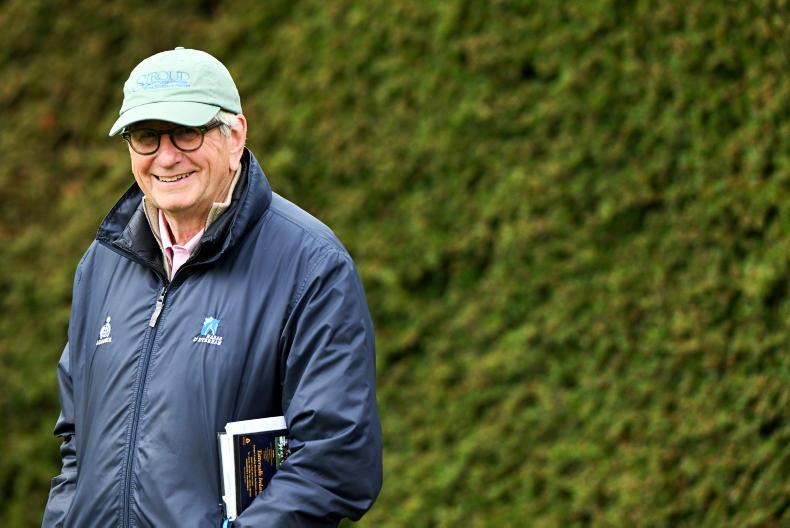
“I thought it was a very good market and well-balanced, both from the buyers’ and sellers’ point of view,” says Anthony Stroud. “It percolates from the top to the bottom. The important thing at these sales is to have a good clearance rate and you have numerous people buying, not just end users but breeze-up people too.”
As ever, Stroud Coleman was busy across the season, accounting for 86 yearlings. Similarly, it was a fruitful year for Alex Elliott, who signed for around 80.
“The year before was madness,” says Elliott. “There’s no limit to what the top horses can make, but underneath I’d say there’s value. Standing by the ring last year it felt more polarised, but when you went back through it, the results were good.
“There is always going to be competition for quality, and everybody knows what that is now. There’s so much information out there now. Prospective buyers have so much in their hands, they’re forming strong opinions, and because of that I think the agent’s role is becoming less and less. I think that’s affected the middle market, that 60,000gns to 200,000gns range.
“Everybody wants that quality and that becomes the same sires. And they’re kind of out of reach - they’re making so much money, it’s making it more polarised.”
Unforgiving
Those operating at the coalface of selling share a similar view.
“I certainly found the sales strong last year, but it wasn’t totally straightforward,” says Bill Dwan of The Castlebridge Consignment, which is currently riding high off the back of its Derby-winning graduate Christmas Day.
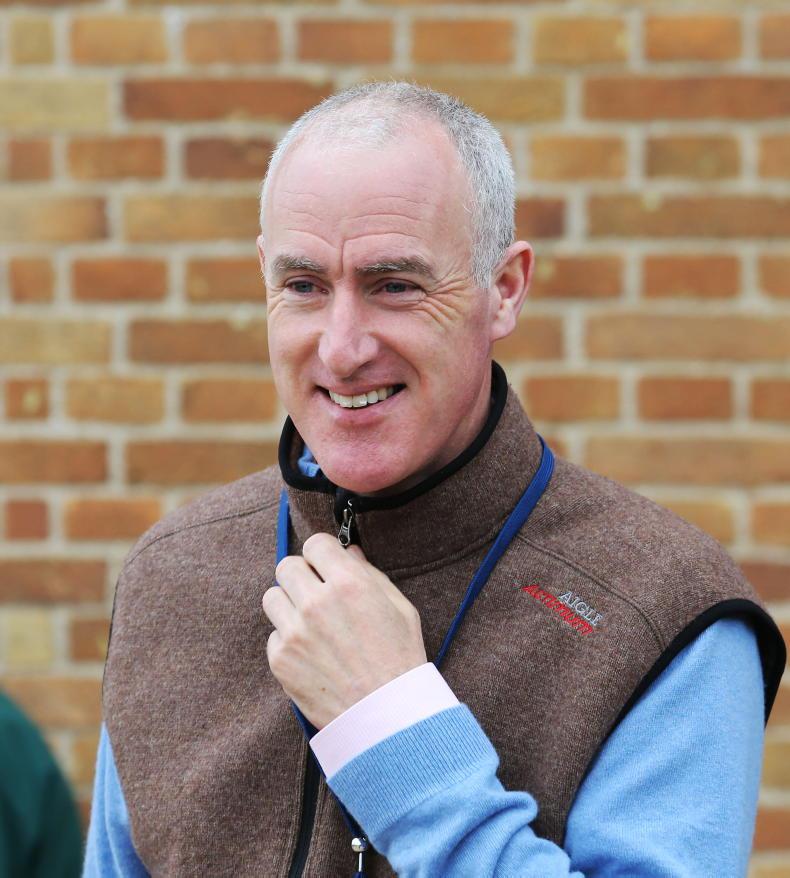
“The top end held up well thankfully, but as always, it was unforgiving if there was a veterinary query or you had a yearling by a stallion the market had branded as unfashionable.
“I think the value was in the 50,000gns to 150,000gns yearling. It was soft in places, especially if the horse was by a stallion the market had gone cold on - in most cases unfairly.”
Baroda Stud also has an excellent three-year-old to represent it in Amo Racing’s Ancient Egypt, a 1,100,000gns yearling, who was beaten a head in the Grand Prix de Paris.
The stud’s David Cox describes their sales season as ‘pretty solid most of the way through’, a view backed up by Baroda manager Padraic Gahan.
“We didn’t have the highs of the previous year, but we had more depth in that 100,000gns to 500,000gns bracket,” says Gahan. “We had 36 yearlings who made 100,000gns or more and, of that crop, 20 have won this year.
“If you do produce the product that people want, then it’s highly sought after. But it is thin below the top. That is the nature of the yearling sales. When it comes to foals, there can be frenzied bidding from a number of different buyers at a similar level to what you might realise at the yearling sales, where you may be relying on one or two people.”
For all the fireworks, the top end is susceptible to the whims of a handful of buyers. As an example, Godolphin accounted for 15.4% of the turnover at Book 1 last year. Amo Racing accounted for 10.6%.
That is in contrast to America, where there are no shortage of high-end players, some of them lured in by the current tax incentives signed in by the Trump administration.
“America is very strong,” says Stroud. “But there are so many benefits from the government to entice buyers. It’s economic forces, such as the government’s policy on tax. And then you have excellent prize money on top of that. There are so many high-end users over there - 56 horses made a million or more at Keeneland and that trickled down to Book 5.
“Here, we’re very grateful for our friends in the Middle East. They are huge contributors to our industry and we’re very reliant on them.”
Evolution
The market is constantly evolving, for both better and worse. On the one hand, international interest remains high. However, those ‘on spec’ purchases that helped underpin the middle to lower markets are becoming a distant memory.
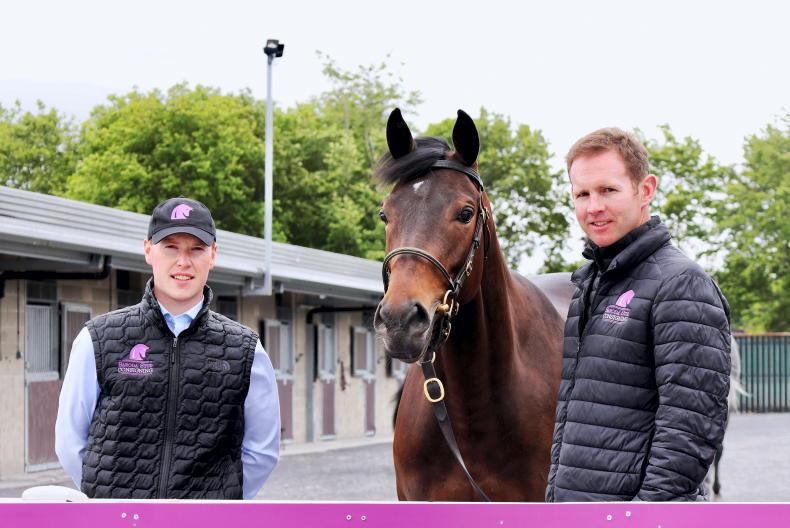
“Maybe more Americans will come in - we’re hearing a lot of positivity on that front" Baroda Stud's David Cox, pictured with Padraic Gahan \ Amy Lynam
“The trainers want to buy a nice horse and they have 30,000gns to 40,000gns to give for it and they’ll work hard to find one that suits them,” says Cox. “They’re looking at what the breeders are paying for the stallion fees and they’re then trying to figure that out, how they’re paying that much for a top-end stallion. It’s like two different worlds.”
Gahan adds: “The trainer ‘on spec’ orders are few and far between. But then prices don’t dictate what’s going to come on the track for these horses.
“We sold two recent Group 1 winners for under 100,000gns - Believing for 70,000gns and Cercene for €50,000. And trainers can take heart from how strong the private market is.”
As ever, the issue of prize money has its part to play.
“The dynamics have changed,” says Dwan. “The lack of prize money is a constant stumbling block and the costs associated in producing a well-bred yearling have gone up dramatically - so for trainers to purchase a nice yearling, it costs more. But I do believe there are opportunities there at affordable money and every year, we hear of rags-to-riches stories, which keeps us all dreaming.”
“There’s some trainers who used to spec a lot of horses,” says Elliott. “Now they can’t afford the risk, because they have to keep them on their books for too long - everything costs so much and we’re racing for the same money as 25 years ago. So, I see it getting more elite and with that the market getting more polarised.
“But then that can lead to opportunity and you see some great trades. On the flip side, those trades are probably making up for others. There’s not a lot of juice there for people.”
One positive development has been the number of American buyers, the front-runners being Chad Brown and Mike Ryan. Resolute Racing was also a valuable addition to last year’s Orby Sale, purchasing €1.55 million worth of yearlings.
Nor can the importance of attracting international buyers to some of the smaller sales be underestimated. That is where ITM comes in.
“There is a significant cost in bringing these buyers over for ITM and the sale companies,” says Cox. “But at the end of the day, they get them in and get the horses sold.
“ITM and the sale companies, plus the likes of Coolmore and other studs, really do look after the Americans well when they come over. It can be a great experience for them.”
The Middle East
The question mark this year is whether Middle East interest will hold steady.
Mick Donohoe of BBA Ireland is a regular visitor to the region, so is well placed to weigh up the vibes.
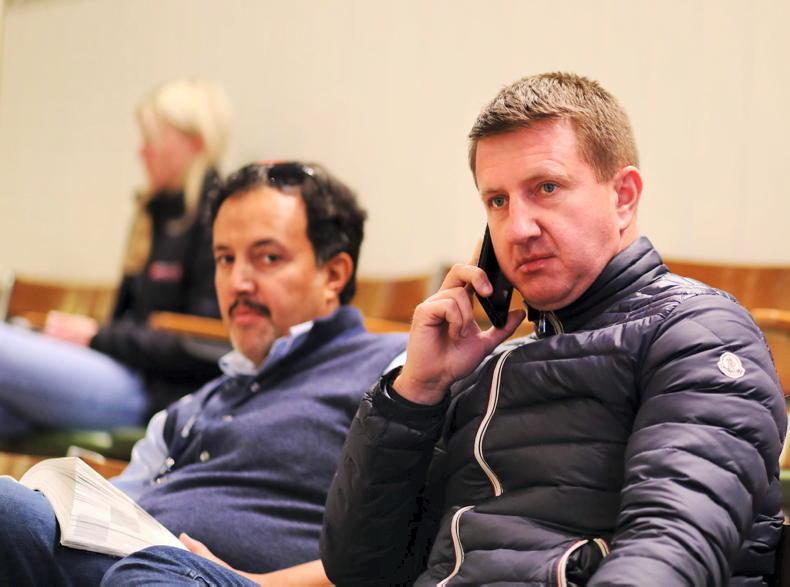
It sounds like some of the big players from the past few years won’t be playing ball to the same level as last year - Michael Donohoe of BBA Ireland \ Laura Green/ Tattersalls
“It’s chopping and changing - like a rollercoaster,” he says. “The Middle East aren’t buying as much as they were. Saudi Arabia has been very quiet compared to a couple of years ago, not just over here, but at the breeze-up sales in America as well.
“But then, there’s newer markets coming in too. There’s Kazakhstan - they bought some staying types last year. The Italian market is stronger, not just in numbers but what they’re willing to spend. There’s always a new country coming on stream.”
Perhaps clues can be gleaned from the breeze-up season, which finished on a good note having taken time to warm up.
“The breeze-up market was undoubtedly shaky and that was reflected at times by the clearance rate,” says Stroud. “The war in the Middle East had huge implications, both economically and the fact it put so many people under pressure.
“I had one or two vendors say to me at the breeze-ups, ‘I think this will be my last year’.”
He adds: “In England, there also isn’t much incentive to buy a horse in our economic state. And then you couple that with low prize money.”
Donohoe concurs. “The breeze-ups were extremely tricky. After the first couple, I said ‘crikey, the yearling sales are going to struggle’, but they finished with a flourish and the one thing about the breeze-up guys is that they have a short memory!
“The sale companies and vendors need to consider them as their best friends, because they really do put their neck on the line and they’re ballsy.”
It is about a month until the first major yearling sale of the year, the Arqana August Sale in Deauville. The day-to-day news would be enough to dampen the spirits of even the most optimistic, but racing and bloodstock tends to operate in its own bubble; for that, look no further than the depth of trade at the recent store sales, a healthy part of it driven by British money.
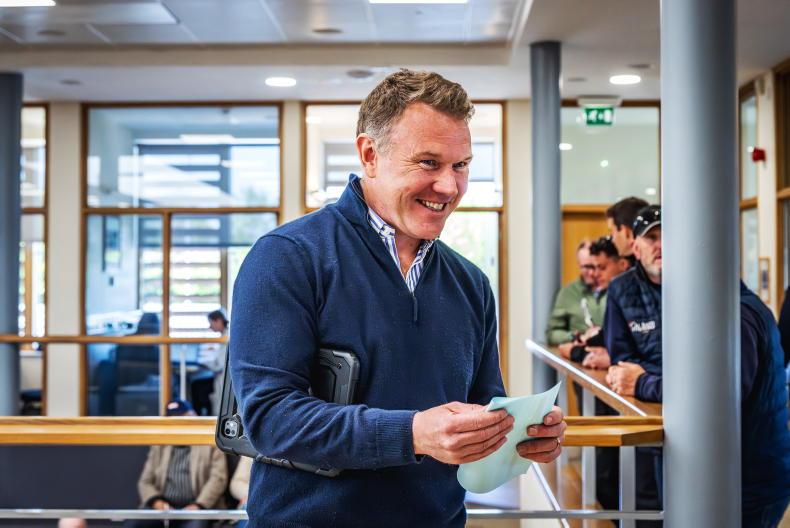
“The trouble with flat racing is you have the city man who wants to spend 200,000gns on a yearling, but where is that getting him?” says Elliott.
“Whereas he can buy a point-to-pointer and might have more of a chance of getting a Saturday horse. You used to be able to spend 200 grand on a winning pointer, but that kind of figure now buys one that has run second or third. So maybe that’s why a lot of Brits have gone back to the store market.”
Different spheres
Can that strength trickle over to the yearlings? Maybe that’s too much to ask.
“It was great to see the store sales so strong, but I’m not sure it’s a true indication of how the flat sales will go as our market is very international and as we’re all aware, the world is going through a volatile period,” says Dwan.
“That said, the Tattersalls July Sale was strong and the demand for quality horses in training internationally continues to be buoyant.
“Our market has certainly become a lot more international. The Middle East has always been influential but this was mainly driven from Dubai - now there are a lot of emerging countries getting involved.”
It’s reasonable to assume that the 2026 yearling sales season will follow much the same path as last year, namely strength at the top with international money hopefully aiding other areas of the market that might otherwise be selective.
“I think it will be driven by quality - in a situation like this, often more towards fillies with a pedigree,” says Stroud. “Arqana was good last year and it’s having good results on the track. It might be more selective, but it will be a good springboard to start the year.
“Breeze-up people might be more cautious in what they spend. But it’s amazing how resilient the market is.”
“There’s a lot going on in the world, especially in the Middle East,” says Donohoe. “It sounds like some of the big players from the past few years won’t be playing ball to the same level as last year.”
He adds: “The more expensive stallions are still covering big books. There’ll be plenty coming to market and I’d say it’ll be hard to find clients for all of them. I can see that being tough.”
Also never far from the mind is the reliance on such a select pool of top-end buyers.
“J.P. McManus turned up to the store sales and got stuck in, which gave them a great lift,” says Cox. “On the flat, we’re so reliant on Sheikh Mohammed and it was great to see him have a good week in Newmarket. You need those big groups to have winners, especially at places like Royal Ascot because it keeps everything going round.
“Maybe more Americans will come in - we’re hearing a lot of positivity on that front. Hopefully, those wealthy top-end English buyers won’t be affected by what’s going on over there and will still want to buy yearlings.
“We’re selling luxury goods to top-end people and you hope that they’ll still want horses to race.”
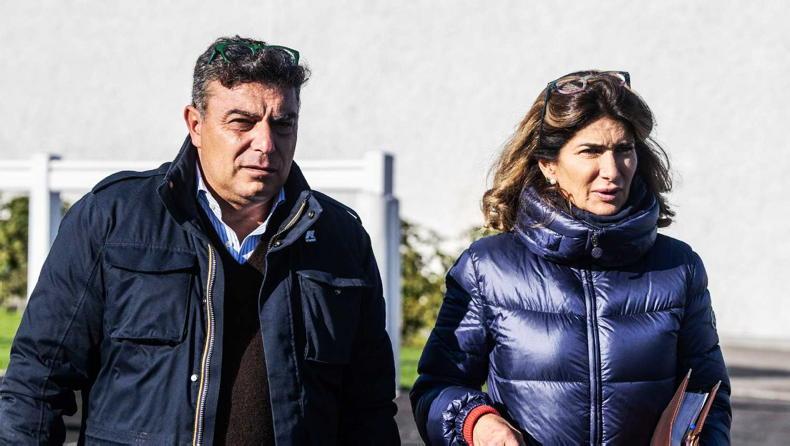
International buyers such as Endo Botti and Christiana Brivio are integral to the success of the Tattersalls Ireland September Yearling Sale \ Healy Racing